The 2026 Semiquincentennial Proof Set: What's in It, Why It Costs $107, and Whether to Buy One
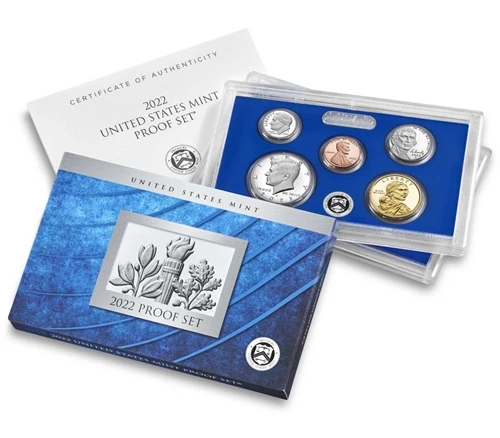
On October 6 at noon Eastern, the U.S. Mint puts the 2026 Semiquincentennial Proof Set on sale at $107. That is more than two and a half times what the 2025 clad proof set cost, and the price has generated more complaints than any annual set in memory. It is also, design for design, the most interesting proof set the Mint has issued in decades. Both things are true, so here is what you are actually getting, how it compares with the silver version that sold out in June, and how we would think about the purchase.
The ten coins
Every coin is struck at San Francisco with an S mint mark, and every coin except one carries the dual date 1776~2026. The set comes in two lenses.
Lens one: the five Semiquincentennial quarters
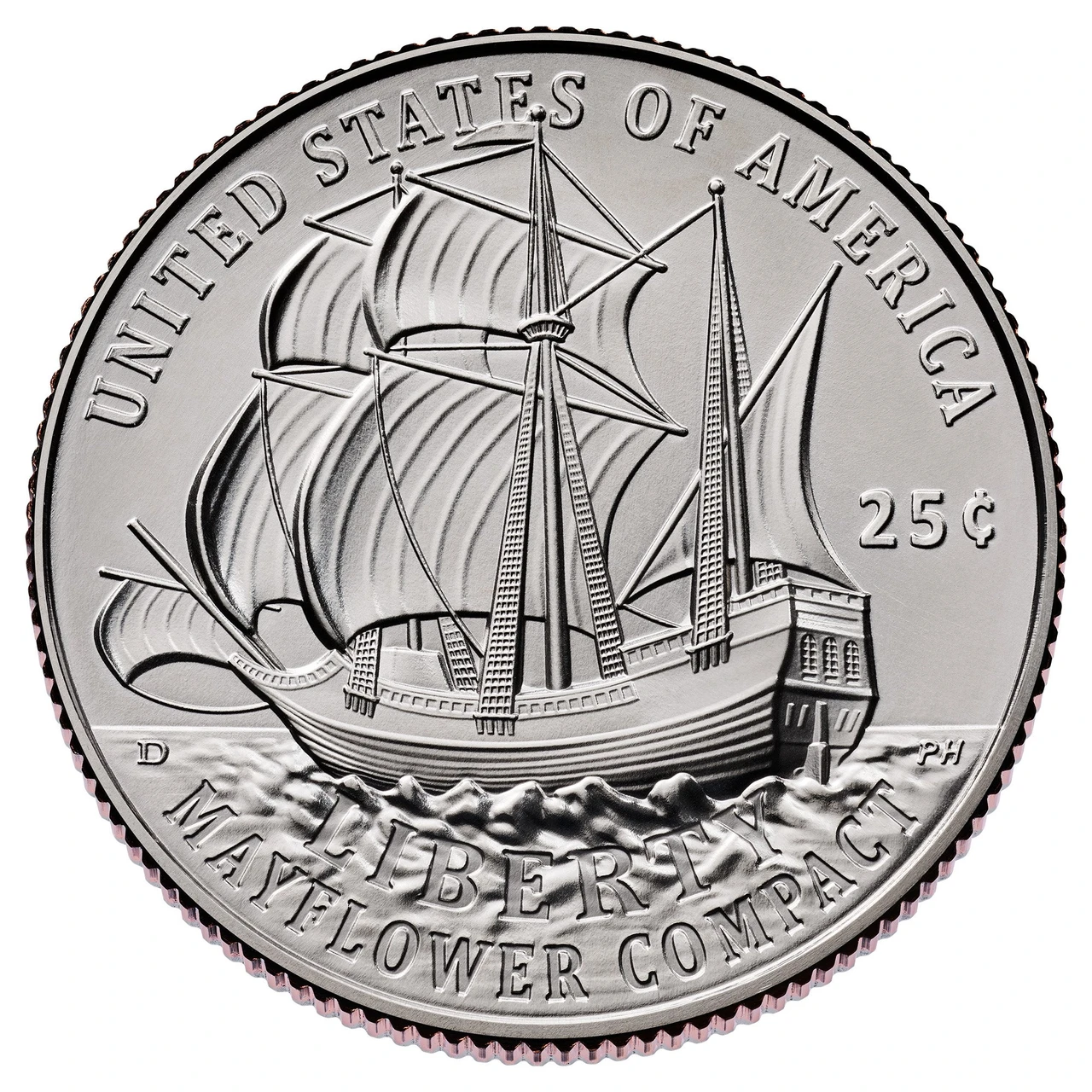
Each quarter pairs a historical figure on the obverse with a scene on the reverse: the Mayflower Compact (two Pilgrims, the Mayflower under sail), the Revolutionary War (Washington, a Continental soldier at Valley Forge), the Declaration of Independence (Jefferson, the Liberty Bell), the U.S. Constitution (Madison, Independence Hall with WE THE PEOPLE) and the Gettysburg Address (Lincoln, two clasped hands). Four of the five are already in circulation; the Gettysburg quarter's launch ceremony is October 21, and rolls and bags follow on November 13, so the proof set is the first place most collectors will see the fifth design in hand. The circulating P and D versions are in our 2026 Semiquincentennial quarters category.
Lens two: the other five
This is where the set earns its keep. The Enduring Liberty half dollar replaces Kennedy for one year with the Statue of Liberty. The Emerging Liberty dime replaces Roosevelt, putting Liberty on the dime for the first time since the Mercury dime ended in 1945. The Jefferson nickel and Lincoln cent keep their regular designs but carry the dual date, and the cent matters more than it sounds: with the Mint no longer striking cents for circulation, the 2026 cent exists only in the proof set, the silver proof set and the uncirculated set. The tenth coin is the 2026 Native American dollar, whose reverse honors Polly Cooper and the Oneida allies at Valley Forge; it is the one coin in the set with a single 2026 date.
Why $107?
The Mint repriced its entire collector line at the end of January, citing production costs, and the clad proof set went from $40.25 for 2025 to $107 for 2026. Part of that reflects the extra coin and the one-year dies, but most of it is simply a new pricing floor across the catalog. There is no mintage limit, only a product limit of 480,000 sets and no household limit, so this is not a coin you need to fight for at noon. Subscriptions ship on release day and the set should remain available for months.

Clad versus silver
The Silver Proof Set (product code 26RH) holds the same ten designs, but the dime, the five quarters and the half dollar are struck in 99.9% silver, about 1.47 troy ounces in total. It was priced at $245 with a 271,520-set limit, sold out shortly after its June 11 release, came back briefly on July 1 and is currently listed as unavailable. Complete silver sets have been changing hands well above issue price on the secondary market. If you missed it, the honest advice is to wait: the Mint has adjusted sales figures downward once already as cancellations cleared, and a further restock is possible but not announced. Do not pay a scalper's premium for a set the Mint may reopen.
For the clad set the calculus is different. Clad proof sets from ordinary years have a long record of trading below issue price once the novelty fades; the 1994-2022 clad proof sets in our stock are a good reality check on that. Whether 2026 breaks the pattern depends on whether the Semiquincentennial designs keep pulling new collectors into the hobby after the anniversary year ends. We think this set has a better chance than most because it holds one-year designs that will never be struck again, but that is a judgment, not a guarantee, and nobody should buy a $107 clad set expecting a quick profit.
Who should buy it
Buy it if you collect annual proof sets and want the run unbroken; 2026 will be the year people ask about. Buy it if you want every 2026 design in the best strike the Mint produces, including a proof cent you cannot get any other way. Buy it as a gift for someone who was born or married in the anniversary year, which is how a lot of proof sets end up treasured rather than traded. Skip it, or wait for the aftermarket, if you only want the quarters, because the circulating coins deliver the same designs for pocket change, and if you only want the silver, because the clad set will not scratch that itch.
Where this fits in a collection
A complete 2026 proof set sits naturally next to the older silver proof sets and the rest of the proof and mint sets we carry, and the circulating versions of the same coins are in our 2026-dated coins section. Ordering details, the household limit and the exact noon-Eastern release time are on usmint.gov. For a sense of how proof sets from other years have held up over time, the price guides at PCGS and NGC are the reference we trust.
Recent Posts
-

Walking Liberty Half Dollar Value Guide: Key Dates, the 1921 Problem, and What Yours Is Really Worth
Ask a room full of collectors to name the most beautiful U.S. coin and the Walking Liberty half doll
-
The 2026 Semiquincentennial Proof Set: What's in It, Why It Costs $107, and Whether to Buy One
On October 6 at noon Eastern, the U.S. Mint puts the 2026 Semiquincentennial Proof Set on sale at $1