Everything You Need to Know About the 1892 Indian Head Penny
What Is the 1892 Indian Head Penny Worth?
The 1892 Indian Head penny is one of the most recognizable coins in American numismatic history — and if you've got one, you're probably wondering what it's worth.
Here's a quick answer based on current market data:
| Grade | Condition | Estimated Value |
|---|---|---|
| Good (G-4) | Heavy wear, main details visible | ~$3–$4 |
| Fine (F-12) | Moderate wear, clear design | ~$5–$6 |
| Extremely Fine (EF-40) | Light wear, sharp details | ~$20–$24 |
| About Uncirculated (AU-50) | Slight wear, near full luster | ~$33 |
| Mint State (MS-60) | No wear, some marks | ~$60–$75 |
| Mint State (MS-63) | No wear, minor blemishes | ~$98–$164 |
| Mint State (MS-65) | Gem quality | ~$600 (RB) |
| Mint State (MS-66) | Near-perfect | ~$1,165 (RB) |
Values vary by color designation (Brown/BN, Red-Brown/RB, or Red/RD) and whether the coin is professionally graded.
Most circulated examples you'll come across are worth $3 to $30. But well-preserved, high-grade examples — especially in Red or Red-Brown — can fetch hundreds or even thousands of dollars.
The 1892 issue had a mintage of over 37.6 million coins, all struck at the Philadelphia Mint. That makes it relatively common in lower grades. Finding one in gem Mint State condition, though, is a different story entirely — PCGS estimates only about 5 examples survive in grades of MS-65 or better (Brown designation).
Whether you're a seasoned collector or just found one in an old jar, this guide covers everything you need — value by grade, varieties, rarity data, and where to buy or sell with confidence.
Historical Background and Specifications of the 1892 Indian Head Penny
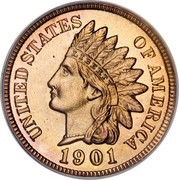
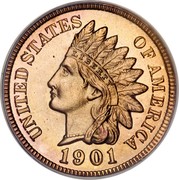
The 1892 Indian Head penny represents a mature phase in one of America’s most beloved coin series. By 1892, the design had been in production for over three decades, becoming a staple of post-Civil War American commerce. While the coin is colloquially known as the "Indian Head," the figure on the obverse isn't actually a Native American Chief. It is a depiction of Lady Liberty wearing a Native American headdress—a creative choice by the designer to symbolize American freedom through an indigenous lens.
This specific year sits in the "Late Date" category of the series (1880–1909). Unlike the earlier copper-nickel "fatty" cents of the 1860s, the 1892 version is a thin, bronze coin. It was a time of massive industrial growth and westward expansion, and these pennies were the workhorses of the economy, used for everything from buying a newspaper to weighing out penny candy.
Key Specifications of the 1892 Indian Head Penny
If you are looking to authenticate or study your coin, these technical details are the industry standard for the 1892 Indian Head penny:
- Designer: James Barton Longacre (Chief Engraver of the U.S. Mint).
- Mint Location: Philadelphia (No mint mark).
- Mintage: 37,647,087 (Regular Strike) and 2,745 (Proof).
- Composition: 95% Copper, 5% Tin and Zinc (Bronze).
- Weight: 3.11 grams.
- Diameter: 19.00 mm.
- Edge: Plain (Smooth).
- Design Type: Type 3 (Oak Wreath and Shield on reverse).
The reverse features a wreath of oak leaves tied at the bottom with a ribbon, with a small Union Shield at the top. This "Oak Wreath with Shield" design was adopted in 1860 and remained until the series ended in 1909. You can Explore Indian Head Penny Specifications in more detail to see how these specs compare to earlier years in the series.
Historical Context of the 1892 Mintage
The year 1892 was a pivotal moment in American history, which adds a layer of "story" to every 1892 Indian Head penny. While these coins were being struck in Philadelphia, the United States was preparing for the World’s Columbian Exposition in Chicago, celebrating the 400th anniversary of Columbus's arrival. This was also the year the federal immigration station at Ellis Island officially opened its doors, welcoming millions of new Americans who likely carried these very pennies in their pockets as they started new lives.
Furthermore, 1892 saw Abraham Lincoln’s birthday declared a national holiday, a fitting tribute for the man who oversaw the era when the Indian Head Cent first became a national icon. When you hold an 1892 Indian Head penny, you aren't just holding copper; you're holding a piece of the Gilded Age.
Determining the 1892 Indian Head Penny Value and Grading Standards
In numismatics, condition is king. A "Good" grade coin and a "Mint State" coin are technically the same piece of metal, but their values are worlds apart. For the 1892 Indian Head penny, even a slight difference in the visibility of the word "LIBERTY" on the headband can double the coin's price.
Circulated vs. Uncirculated 1892 Penny Value
Most collectors categorize their coins into broad "buckets" of condition. Here is how we break down the 1892 issue:
- Good (G-4): The coin is heavily worn. The design is mostly an outline, though the date is readable. Value: ~$3.50.
- Fine (F-12): Moderate wear is present. You should be able to see at least a few letters of "LIBERTY" on the headband. The feathers show some separation. Value: ~$5–$6.
- Extremely Fine (EF-40): The coin looks sharp. Wear is only visible on the highest points, such as the tips of the feathers and the hair above the ear. Value: ~$20–$24.
- Uncirculated (MS-60 to MS-63): These coins never entered general circulation. They retain their original mint luster, though they may have "bag marks" (tiny scratches from hitting other coins in a mint bag). Value: ~$75–$160.
Professional Grading and Color Designations
For copper coins like the 1892 Indian Head penny, professional services like PCGS and NGC add a color descriptor to the grade. This is vital because copper reacts with oxygen over time, changing from a bright red to a dark brown.
- BN (Brown): The coin has lost almost all its original red color. Most circulated coins are BN.
- RB (Red-Brown): The coin retains between 5% and 95% of its original mint orange-red glow.
- RD (Red): The coin is still bright red, looking much like it did the day it was minted. These are the most prized and expensive.
For instance, an 1892 penny in MS-65 Red-Brown is valued around $600, while a similar coin in full Red (RD) can easily exceed $1,000 at auction. Collectors also look for "Full Diamonds" on the ribbon and "Full Feathers" as signs of a superior strike. To stay updated on these shifting market prices, we recommend you View Indian Head Penny Value Guides regularly.
Major Die Varieties and Notable Errors
While the standard 1892 Indian Head penny is common, varieties are where the real excitement (and money) lies. Varieties occur when the dies used to strike the coins have specific flaws or were modified.
The most famous researcher in this field is Rick Snow, whose "Snow ratings" are the gold standard for Indian Head varieties. For the 1892 mintage, keep an eye out for these:
- RPD FS-301 (Repunched Date): If you look closely at the "1892" with a jeweler's loupe, you might see evidence of the date being punched into the die twice. In the FS-301 variety, the secondary digits are visible near the primary ones.
- FS-302: Another repunched date variety where the underlying digits are shifted slightly differently.
- FS-401 (Re-engraved Design): This involves doubling or strengthening of certain design elements.
Coins attributed with these FS (Fivaz-Stanton) numbers carry a significant premium. An RPD variety in a high grade can sell for several times the price of a "normal" 1892 cent. If you think you've found a doubled die or a repunched date, it is often worth the investment to have it attributed by a professional grading service.
Market Trends and Rarity of the 1892 Indian Head Penny
As of April 2026, the market for high-quality Indian Head Cents remains robust. While the 1892 is not a "key date" like the 1877 or the 1909-S, it is what we call a "condition rarity." This means that while millions were made, very few survived in pristine, "gem" condition.
Rarity and Survival of the 1892 Indian Head Penny
PCGS survival estimates suggest that only about 3,000 examples of the 1892 1C BN survive across all grades. According to the PCGS Population Report, when you narrow that down to high-quality coins:
- Only about 100 examples exist in grade MS-60 or better.
- A mere 5 examples are estimated to survive in MS-65 or better for the Brown variety.
The auction record for a BN example in MS-64 is $1,380, a price set by American Numismatic Rarities. However, Red (RD) examples are the true heavy hitters. The finest certified Red example is an MS-67RD, a breathtaking coin that represents the absolute pinnacle of 19th-century minting.
For most collectors, the MS-64 grade is the "sweet spot"—it offers beautiful eye appeal and sharp details without the four-figure price tag of an MS-66 or MS-67. Whether you are looking for a filler for your album or a registry-grade centerpiece, the 1892 Indian Head penny offers a great balance of history and value.
Frequently Asked Questions about the 1892 Penny
How much is a 1892 Indian Head Penny worth today?
In average circulated condition, it is worth about $4. In Extremely Fine condition, expect to pay around $20–$24. Uncirculated examples start at $75, but "Gem" quality coins (MS-65 and up) can range from $600 to over $1,000.
Where is the mint mark on an 1892 Indian Head Penny?
There is no mint mark! During this era, Indian Head pennies were only minted in Philadelphia. The Philadelphia Mint did not use mint marks on cents at that time. If it’s an Indian Head penny from 1892, it was definitely born in Philly.
What are the rarest varieties of the 1892 penny?
The repunched date (RPD) varieties, specifically FS-301 and FS-302, are the most sought-after by variety collectors. Additionally, any coin with a "Red" (RD) designation in a grade of MS-65 or higher is considered a numismatic rarity due to the low survival rate of original mint luster over 130+ years.
Conclusion
The 1892 Indian Head penny is a fantastic bridge between the common late-date pennies and the scarcer early-series coins. It is affordable enough for a beginner to enjoy in circulated grades, yet rare enough in Mint State to challenge even the most advanced collectors.
At USSQ, we’ve been helping collectors find their "dream coins" since 1999. As part of the Coins Online LLC family, we pride ourselves on offering competitive prices and a massive inventory of over 5,000 products. Whether you’re looking for a sharp AU-50 to complete your 1890s run or need supplies to protect your current collection, we are here to help.
When buying or selling, always look for clear details in the hair and the word "LIBERTY." If you're unsure about a coin's authenticity or variety, professional grading is always the safest route. Feel free to Contact USSQ for Appraisals or Shop Indian Head Pennies at USSQ to see our latest arrivals from the Philadelphia Mint and beyond. Happy collecting!
Recent Posts
-

Walking Liberty Half Dollar Value Guide: Key Dates, the 1921 Problem, and What Yours Is Really Worth
Ask a room full of collectors to name the most beautiful U.S. coin and the Walking Liberty half doll
-
The 2026 Semiquincentennial Proof Set: What's in It, Why It Costs $107, and Whether to Buy One
On October 6 at noon Eastern, the U.S. Mint puts the 2026 Semiquincentennial Proof Set on sale at $1