A Comprehensive Guide to Morgan Silver Dollar Value
What Is a Morgan Silver Dollar Worth in 2026?
Morgan silver dollar value ranges widely — from around $60 for a heavily worn common date to well over $2,000,000 for the rarest specimens in top grades. Here is a quick snapshot to orient you before we dive deeper:
| Condition | Typical Value Range |
|---|---|
| Heavily worn (Good-4 to Fine-12) | $60 – $100 |
| Circulated (VF-20 to EF-45) | $75 – $200+ |
| Common date uncirculated (MS60–MS63) | $90 – $200 |
| Better date uncirculated (MS64–MS65) | $250 – $1,500+ |
| Key dates circulated (e.g. 1893-S) | $4,000 – $6,000+ |
| Key dates gem uncirculated | $100,000 – $2,000,000+ |
| Silver melt value (any date) | ~$57 – $80* |
*Melt value fluctuates with the silver spot price. Each Morgan contains 0.7734 troy ounces of pure silver.
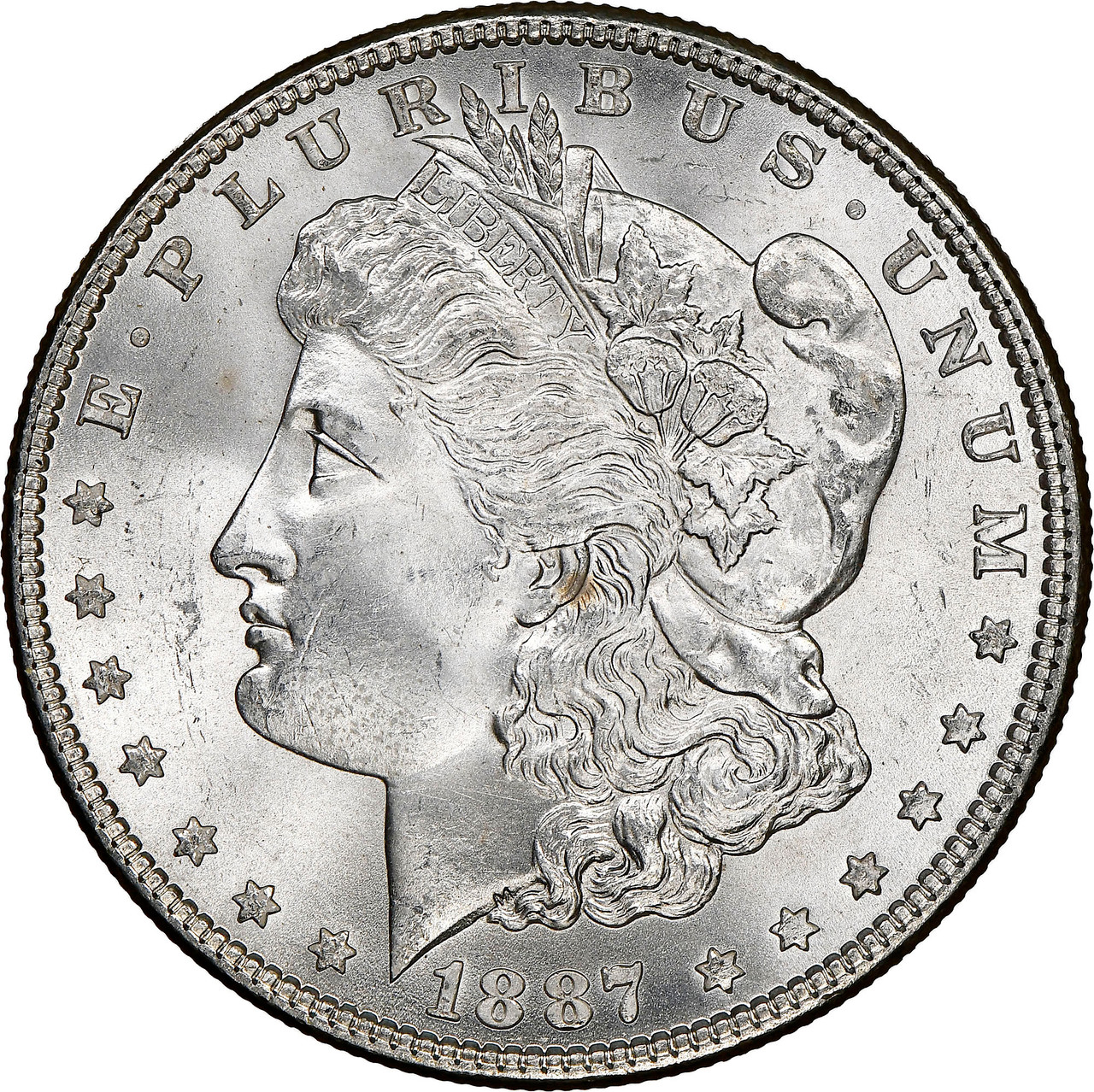
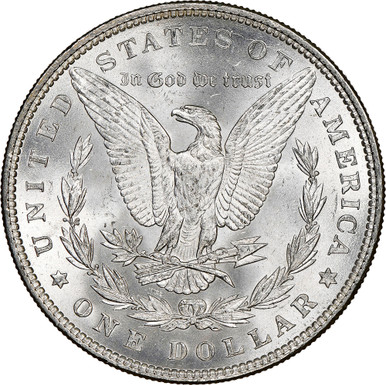
The Morgan silver dollar is more than a coin. It is a piece of American history — struck from 1878 to 1904 and once more in 1921, circulating through frontier saloons, bank vaults, and the pockets of everyday Americans during the Gilded Age. Designed by U.S. Mint engraver George T. Morgan, each coin is 90% silver and carries both a bullion floor tied to silver prices and a numismatic premium driven by date, mint mark, condition, and collector demand.
With 96 different date-and-mintmark combinations — not counting hundreds of die varieties — values can differ dramatically even between coins that look nearly identical at a glance. A common 1921 Philadelphia issue might sell for $38 in circulated condition, while a well-preserved 1893-S from the same era can command more than $900,000.
Explore our collection of Morgan silver dollars or browse our Peace silver dollars if you are building out a classic silver dollar set.
I'm Chris Sistrunk, owner of USSQ, and my team and I handle more than 80,000 authentic U.S. Mint coins every year — including Morgan dollars across a wide range of dates, grades, and mint marks. Understanding Morgan silver dollar value is something we work with daily, and this guide pulls together everything you need to make confident, informed decisions as a collector or seller.
Core Factors That Determine Morgan Silver Dollar Value
To accurately determine a Morgan silver dollar value, we look at a combination of four primary factors: mintage figures (how many were made), the mint mark (where it was made), the coin's condition (its grade), and its overall eye appeal. While some coins are highly prized simply because very few were struck, others command massive premiums because they survived in pristine, uncirculated condition despite a high initial mintage.
For a comprehensive breakdown of prices across every single year, the Coins Value Morgan Dollar Guide is an excellent reference tool that highlights how these individual factors intersect to create a coin's market price.
How Mint Marks and Mintage Figures Impact Morgan Silver Dollar Value
The location where a Morgan dollar was struck plays a massive role in its ultimate scarcity. These coins were produced at five different branches of the United States Mint:
- Philadelphia (No Mint Mark): The "workhorse" mint, which generally produced the highest quantities.
- San Francisco (S): Renowned for producing coins with sharp details and brilliant luster.
- New Orleans (O): Active for most of the series, though strikes can vary wildly in quality.
- Carson City (CC): Located near the Comstock Lode, this legendary mint produced the fewest coins, making any "CC" dollar highly sought after.
- Denver (D): Only struck Morgan dollars during the final production year of 1921.
Mintage figures provide the baseline for rarity. For example, the Philadelphia Mint struck over 44 million Morgan dollars in 1921, making circulated examples very common. Conversely, the San Francisco Mint struck only 100,000 Morgan dollars in 1893. Because so few were minted, even heavily worn 1893-S specimens command thousands of dollars today.
How Silver Bullion Spot Prices Influence Morgan Silver Dollar Value
Every classic Morgan silver dollar is composed of 90% pure silver and 10% copper, weighing a total of 26.73 grams. This translates to exactly 0.77344 troy ounces of pure silver per coin.
This silver content establishes an absolute baseline value — often referred to as the "melt value" or "bullion floor." No matter how worn, scratched, or damaged a Morgan dollar is, it will always be worth at least its weight in silver. When precious metals spot prices rise, the value of common-date, heavily circulated Morgan dollars rises along with them.
However, for rare dates and high-grade uncirculated coins, the numismatic (collector) value far exceeds the melt value. If you want to see how this dynamic compares to the coin series that followed, check out our guide on Peace Dollar vs Morgan Dollar to understand how silver content and historical demand shape both markets.
Historical Eras of Morgan Dollar Production
The production of the Morgan dollar was heavily influenced by the political battles of the late 19th century. Under the Bland-Allison Act of 1878, the U.S. government was forced to purchase vast quantities of silver and mint it into silver dollars. This massive production run occurred in waves, creating distinct historical eras that collectors love to study.
The Carson City Era (1878–1893)
The Carson City Mint, located in Nevada, represents the romance of the Old West. Operating amidst the silver boom of the Comstock Lode, the Carson City facility struck Morgan dollars with the famous "CC" mint mark.
Because Carson City was a smaller facility, its total production across the entire series was just 13.8 million coins — a tiny fraction of the 657 million Morgan dollars minted in total. Today, "CC" Morgan dollars carry an automatic premium.
Their story became even more fascinating with the discovery of the GSA (General Services Administration) Hoard in the 1960s. The government uncovered millions of uncirculated Carson City dollars hidden away in Treasury vaults. When these were sold to the public in the 1970s in hard plastic holders, it sparked a massive wave of collector interest that keeps Carson City premiums incredibly strong to this day.
The New Orleans and San Francisco Mints
The New Orleans Mint (O) and San Francisco Mint (S) operated under very different circumstances. San Francisco was known for outstanding quality control, producing coins with deep, proof-like fields and incredibly sharp details.
New Orleans, on the other hand, is famous among numismatists for its "condition rarity paradox." While New Orleans struck tens of millions of coins, the strikes were frequently soft, and the coins were stored in massive canvas bags where they knocked against one another, causing heavy "bag marks." As a result, finding an O-mint coin in a flawless, high-grade condition can be exceptionally difficult, even if circulated copies are highly affordable. A classic example of this is the 1887-O Morgan Silver Dollar, which is incredibly common in worn grades but commands an absolute fortune when found in Gem Mint State.
The 1921 Redesign and Transition
After a 17-year hiatus following the end of regular production in 1904, the Morgan dollar made one final, dramatic return in 1921. Under the Pittman Act of 1918, more than 270 million silver dollars had been melted down, and the government was required to replace them.
Because the original design hubs had been destroyed, George T. Morgan had to recreate his design from scratch. The 1921 Morgan dollars feature a slightly lower-relief design, giving them a flatter appearance compared to the high-relief strikes of the 1878–1904 era.
This was also the only year the Denver Mint (D) struck Morgan dollars. By the end of 1921, the U.S. Mint transitioned to the modern, symbolic Peace silver dollars to celebrate the peace following World War I, bringing the classic Morgan era to a permanent close.
Grading and the Impact of Professional Certification
When assessing Morgan silver dollar value, two coins of the exact same date and mint mark can have a price difference of thousands of dollars based entirely on their grade. Grading is the numismatic process of evaluating a coin's wear, preservation, and overall condition.
The Sheldon Scale and Mint State Grades
Coin grading relies on the Sheldon Scale, a 70-point numerical system where 1 represents a coin that is barely identifiable and 70 represents absolute perfection.
- Circulated Grades (G-4 to AU-58): These coins show clear signs of wear from handling. On a Morgan dollar, wear first appears on the highest points of the design: the hair lines above Liberty's ear on the obverse, and the eagle's breast feathers on the reverse.
- Uncirculated / Mint State Grades (MS-60 to MS-70): These coins have zero trace of wear. Instead, graders look at the quality of the original mint luster, the sharpness of the strike, and the presence of contact marks (scratches or scuffs from being stored in canvas bags).
A single grade jump can cause a massive value explosion. For up-to-date wholesale and retail pricing trends based on these precise grades, collectors frequently turn to the Greysheet Morgan Dollar Values catalog.
Proof-Like (PL) and Deep Mirror Proof-Like (DMPL) Coins
During production, when a fresh set of coin dies was highly polished, the first business-strike coins produced would occasionally exhibit highly reflective, mirror-like fields contrasted against frosted, matte design details.
- Proof-Like (PL): Coins with fields clear enough to reflect an object from a short distance.
- Deep Mirror Proof-Like (DMPL): Rare specimens with incredibly deep, mirror-like surfaces that look like official Proof coins.
DMPL Morgan dollars are highly prized by collectors and regularly command values that are many multiples of a standard Mint State coin of the same grade.
The Role of PCGS and NGC Certification
Because grading is highly subjective and counterfeiting is a serious issue in the coin world, third-party certification is essential for any high-value Morgan dollar. The two most respected grading services are the Professional Coin Grading Service (PCGS) and the Numismatic Guaranty Company (NGC).
Having a coin authenticated and graded by these services offers several benefits:
- Guaranteed Authenticity: Protects you from purchasing a counterfeit coin.
- Standardized Grading: Establishes an agreed-upon condition grade that dealers and collectors trust.
- Physical Protection: Coins are sealed in tamper-evident, archival-safe plastic holders (often called "slabs").
For an exhaustive database of auction records and grade-by-grade pricing, you can consult the PCGS Morgan Dollar Price Guide to see how certified coins perform in the open market.
Key Dates, Rarities, and VAM Varieties
If you are hunting for highly valuable coins, you need to know which dates and varieties stand out from the pack. Some are famous for their incredibly low mintages, while others are "condition rarities" or unique die variations.
Indisputable Series Keys: 1893-S and 1889-CC
The two undisputed "kings" of the Morgan dollar series are the 1893-S and the 1889-CC.
- 1893-S: With a mintage of just 100,000 coins, this is the rarest business strike of the entire series. Because almost all of them entered circulation, finding one in Uncirculated condition is incredibly rare. Even heavily worn, G-4 examples start around $4,000, while MS-65 specimens can exceed $700,000.
- 1889-CC: Struck at the Carson City Mint with a mintage of 350,000. It is highly difficult to find in Mint State grades because the vast majority were melted down or heavily circulated.
| Key Date & Mint Mark | Mintage | Circulated (VF-20) Value | Gem Uncirculated (MS-65) Value |
|---|---|---|---|
| 1889-CC | 350,000 | $1,500 – $2,500 | $300,000+ |
| 1893-S | 100,000 | $5,000 – $8,000 | $700,000+ |
| 1894-P | 110,000 | $1,200 – $1,800 | $150,000+ |
| 1895-P (Proof Only) | 880 | N/A (Proof Only) | $100,000 – $200,000+ |
Condition Rarities and Weak Strikes
A "condition rarity" is a coin that is highly common in worn, circulated grades, but incredibly scarce in high grades because of strike quality or storage wear.
For instance, the 1901 Philadelphia and the 1884 San Francisco have high mintage figures and are cheap to buy in worn condition. However, because almost all of them were circulated heavily, finding a well-struck, uncirculated specimen is like finding a needle in a haystack. An uncirculated 1884-S can easily jump from $90 in circulated grades to over $250,000 in Gem MS-65. To explore another highly popular West Coast issue, check out our 1887-S Morgan Silver Dollar Guide to see how condition and mint history impact its market value.
Popular VAM Die Varieties
In the 1960s, researchers Leroy Van Allen and A. George Mallis cataloged hundreds of distinct die varieties for Morgan dollars, creating the "VAM" system. These varieties occur due to minor differences, errors, or damage to the coin dies during production. Some of the most popular VAMs include:
- 1888-O "Hot Lips" (VAM-4): Features a distinct doubled die on Liberty's profile, making her look like she has double lips and a double chin.
- 1879-CC "Capped Die" (VAM-3): Caused by a rusted or capped die, leaving a distinct raised texture over the CC mint mark.
Frequently Asked Questions About Morgan Silver Dollars
What is the minimum value of a worn Morgan silver dollar?
The absolute minimum value of a heavily worn, damaged, or common-date Morgan silver dollar is tied directly to its silver melt value. With 0.7734 troy ounces of pure silver, a heavily worn coin serves as an excellent entry point for silver bullion stackers. Even in the worst conditions, common-date "cull" or worn dollars typically trade for a small premium above their raw melt value, generally ranging from $35 to $60 depending on the current silver spot price.
How can I tell if my Morgan dollar is counterfeit?
Because Morgan dollars are highly valuable, they are among the most heavily counterfeited coins in the world. You can perform a few simple tests at home:
- The Weight Test: A genuine Morgan dollar must weigh 26.73 grams (with minor loss allowed for heavy wear). Counterfeits are often made of cheaper, lighter metals.
- The Magnet Test: Silver is non-magnetic. If your coin sticks to a strong magnet, it is a fake.
- The Ping Test: Gently tap the coin with a wooden pen or pencil. Genuine 90% silver coins produce a clear, high-pitched, long-lasting ring, while base metal counterfeits produce a dull thud.
- Professional Grading: The only way to be 100% certain is to buy certified coins or submit your raw coins to PCGS or NGC.
Why are Carson City Morgan dollars so highly valued?
Carson City Morgan dollars are prized for their low mintage figures, their association with the wild frontier of the American West, and the legendary status of the Carson City Mint. Because only 13 dates exist in the entire Carson City series, completing a full "CC" set is a highly popular and achievable goal for dedicated collectors.
Conclusion
Whether you are drawn to the rugged charm of a Carson City coin, the flawless luster of a San Francisco strike, or the steady security of silver bullion, understanding Morgan silver dollar value is the key to building a successful collection. At Coins Online LLC (USSQ), we have been helping collectors find authentic, high-quality U.S. coins since 1999. We offer competitive prices, low shipping rates, and a 14-day return policy to ensure you can buy with absolute confidence.
If you have questions about a coin in your collection or need assistance finding a specific key date, please Contact USSQ today — our numismatic team is always here to help you on your collecting journey!
Recent Posts
-

Walking Liberty Half Dollar Value Guide: Key Dates, the 1921 Problem, and What Yours Is Really Worth
Ask a room full of collectors to name the most beautiful U.S. coin and the Walking Liberty half doll
-
The 2026 Semiquincentennial Proof Set: What's in It, Why It Costs $107, and Whether to Buy One
On October 6 at noon Eastern, the U.S. Mint puts the 2026 Semiquincentennial Proof Set on sale at $1