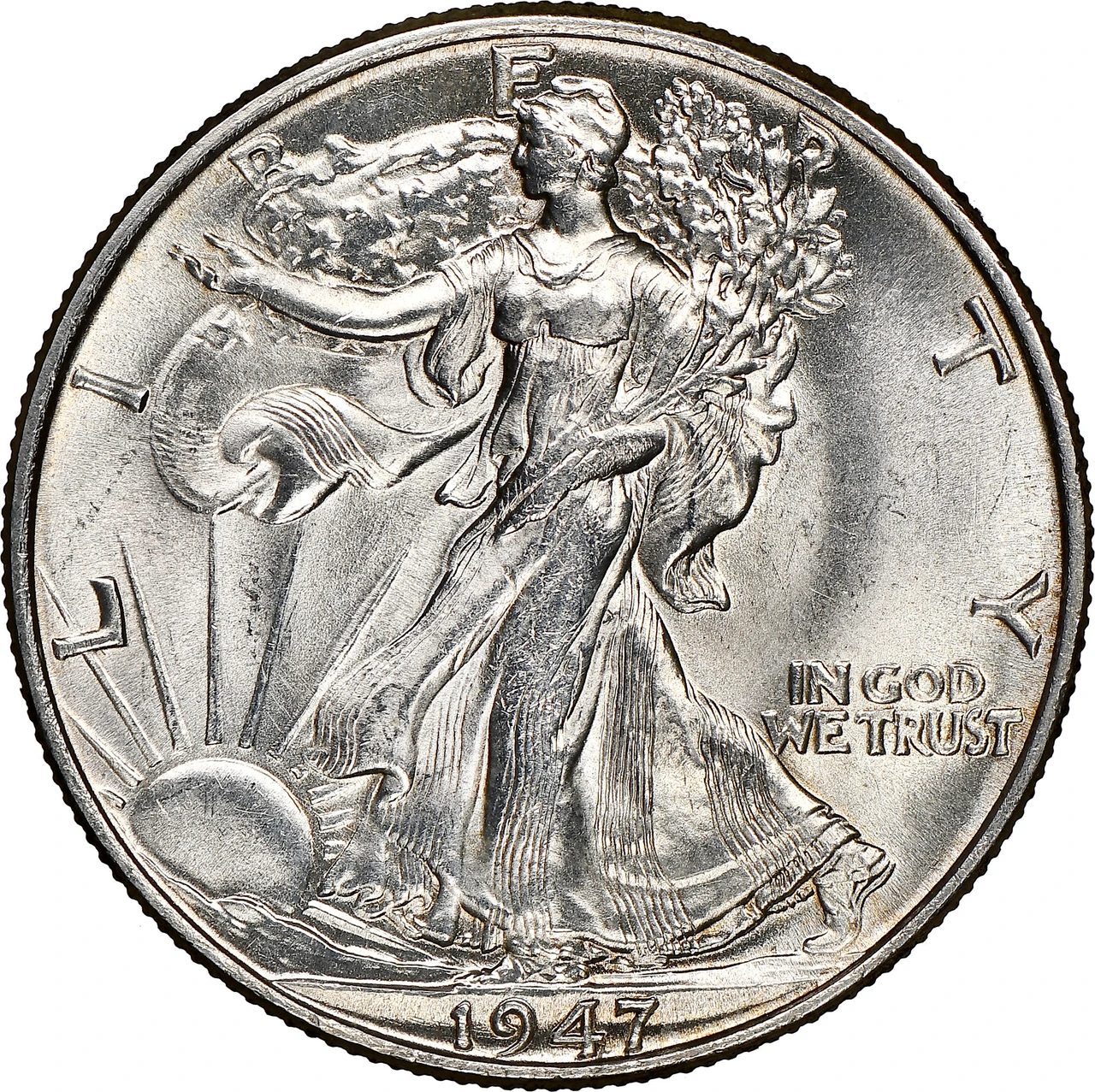
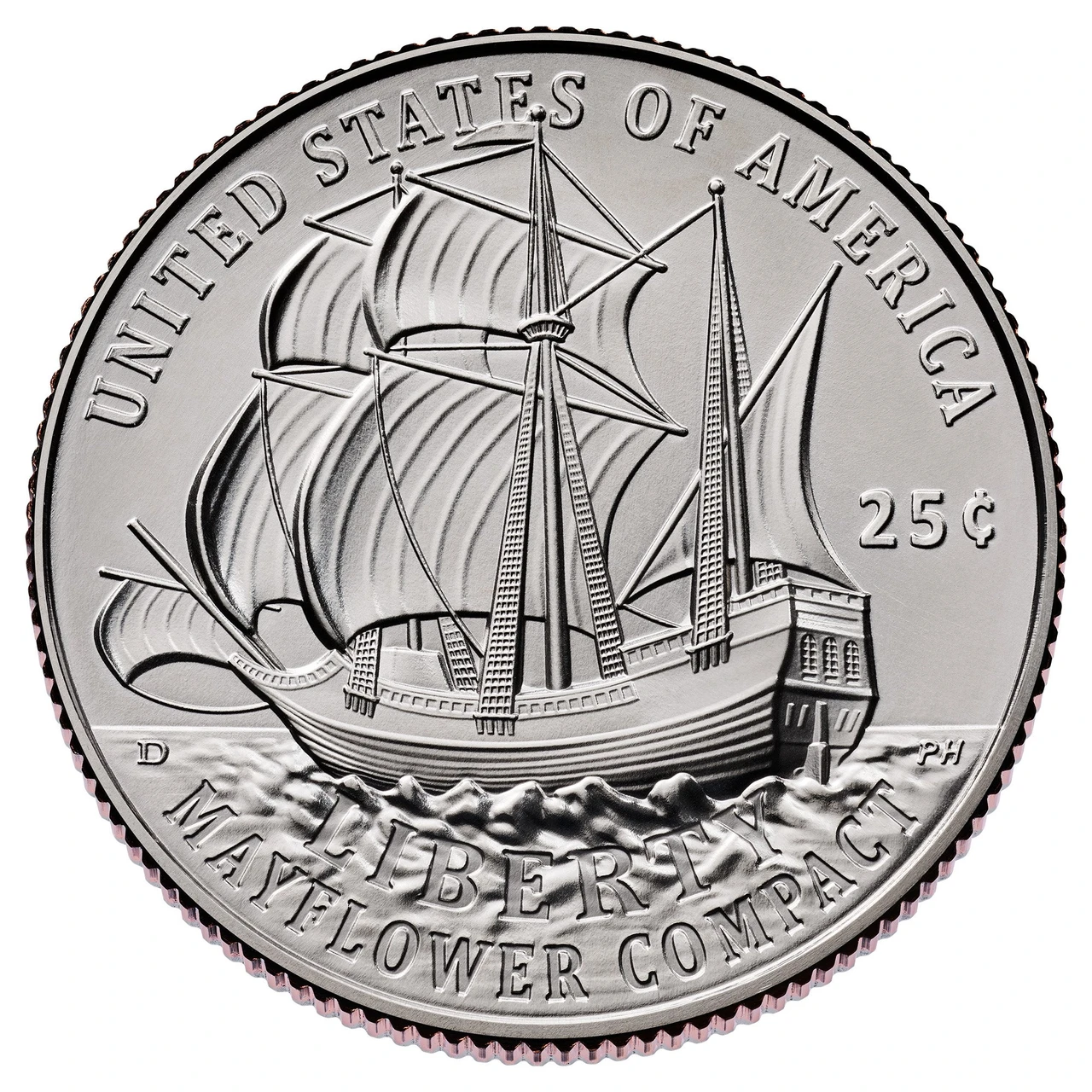
Washington Quarter Obverse and Reverse Design History
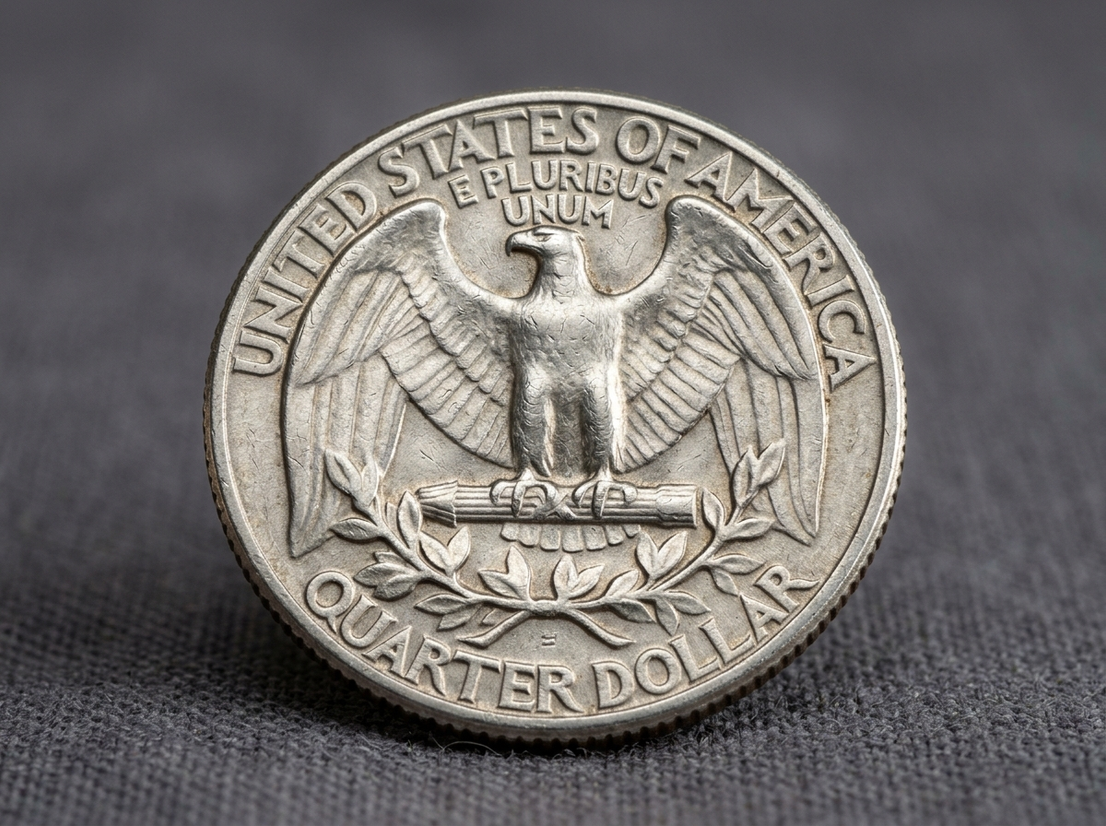
What Is the Washington Reverse Quarter? A Quick Design Guide
The washington reverse quarter has gone through a fascinating series of changes since the coin first entered circulation in 1932. Whether you collect silver-era coins, clad varieties, or modern commemoratives, the reverse design is often what separates a common coin from a genuinely rare find.
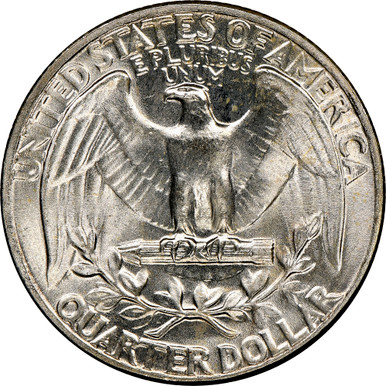
Here is a quick summary of the key reverse designs:
| Era | Reverse Design | Notes |
|---|---|---|
| 1932–1964 | Type A – Eagle with arrows and olive branches | Standard circulation strike |
| 1956–1964 | Type B – Same eagle, higher relief, mirror fields | Proof issues only (mostly) |
| 1964–present | Type C – Sharper leaf details on wreath | Introduced 1965; rare on 1964-D |
| 1975–1976 | Bicentennial – Colonial drummer | Dual dating 1776–1976 |
| 1999–2008 | 50 State Quarters | State-specific reverse designs |
| 2010–2021 | America the Beautiful | National parks and sites |
| 2021 | Crossing the Delaware | Flanagan obverse restored |
| 2022–2025 | American Women Quarters | Portraits of notable women |
John Flanagan designed the original reverse — an eagle perched on a bundle of arrows, framed by olive branches. That design lasted over 65 years with only subtle die changes along the way.
Those subtle changes are where things get really interesting for collectors. The difference between a Type A and a Type B reverse might look minor under normal lighting. But under a 10x loupe, it can mean the difference between a $10 coin and a $2,000+ coin.
And then there are the true rarities — like the 1964-D quarters accidentally struck with the 1965-era Type C reverse die. Only a handful are known to exist.
This guide walks through every major reverse design, the key varieties worth knowing, and how to spot them in your own collection.
History and Evolution of the Washington Quarter
The story of the Washington quarter begins not as a permanent replacement for the Standing Liberty quarter, but as a temporary commemorative. In 1932, the United States celebrated the 200th anniversary of George Washington's birth. To mark the occasion, a Bicentennial Committee and the Commission of Fine Arts (CFA) held a design competition.
The CFA's preferred choice was a design by the talented sculptor Laura Gardin Fraser. However, Treasury Secretary Andrew Mellon had the final say. Despite the committee's repeated recommendations for Fraser, Mellon selected the work of John Flanagan. This decision was upheld by Mellon's successor, Ogden L. Mills, and Flanagan’s portrait of Washington—based on the famous 1785 bust by Jean-Antoine Houdon—became the face of the American quarter for nearly a century.
When the first quarters were struck in 1932, they were composed of 90% silver and 10% copper. According to Official coin specifications, these silver quarters weighed 6.25 grams. However, by the mid-1960s, a global silver shortage led to widespread hoarding. This prompted the Coinage Act of 1965, which transitioned the quarter to a "clad" composition: a core of pure copper sandwiched between layers of 75% copper and 25% nickel.
For collectors, the early years of the series offer the greatest "treasure hunt" opportunities. The 1932-D (Denver) and 1932-S (San Francisco) are the undisputed key dates of the series. While Philadelphia struck over 5.4 million quarters that year, Denver and San Francisco struck just over 400,000 each. These low mintage figures make high-grade specimens from these mints incredibly valuable today.
Identifying the Washington Reverse Quarter: Type A, B, and C
If you look at the back of a silver Washington quarter, you see an eagle with wings outspread, perched on a bundle of arrows. At first glance, they all look the same. But for the eagle-eyed numismatist, there are three distinct "types" of the washington reverse quarter that appeared between 1932 and 1964.
Type A: The Standard Business Strike
This is the "normal" reverse found on almost all circulation quarters from 1932 to 1964. On a Type A reverse, the leaf to the left of the arrowheads is weak and ends well below the top of the arrowhead. The spacing between the letters 'E' and 'S' in "STATES" is also relatively tight.
Type B: The Proof Reverse
Starting in 1956, the Philadelphia Mint used a special high-relief die for proof coins. This is known as the Type B reverse. It features much sharper leaf details and a wider gap (about 1.5 mm) between the 'E' and 'S' in "STATES." Interestingly, some of these proof dies were accidentally used to strike regular business coins at the Philadelphia Mint between 1956 and 1964, and even at the Denver Mint in 1964.
Type C: The Transitional Rarity
The Type C reverse was actually designed for the new clad quarters of 1965. It features even sharper details on the wreath leaves than the Type B. However, a few 1964-D silver quarters were struck using these 1965 dies. These "transitional" errors are incredibly rare and highly sought after.
To authenticate these, we recommend using at least 10x magnification. Look for die polish lines in the fields and check the leaf definition carefully. On a Type C, the leaves below the back of the arrowheads are very clearly defined, whereas they are mushy on a Type A.
Rare Varieties and Market Values of the Washington Reverse Quarter
The market for rare washington reverse quarter varieties has exploded in recent years. Collectors are no longer just looking for "shiny" coins; they are looking for specific die marriages and errors that tell a story of Mint history.
| Variety | Grade | Auction Record | Date of Sale |
|---|---|---|---|
| 1964-D FS-901 (Type C) | PCGS MS66+ | $8,400 | 06-16-2023 |
| 1968-D FS-801 (DDR) | PCGS MS66 | $2,846 | Recent Archive |
| 1968-D FS-801 (DDR) | PCGS MS65 | $2,362 | Recent Archive |
Market Values for the Washington Reverse Quarter Varieties
The 1964-D Type C Reverse (FS-901) is the "Holy Grail" for many. Despite a massive mintage of over 704 million regular 1964-D quarters, only a tiny fraction possess the Type C reverse. The record price of $8,400 for an MS66+ specimen shows just how much premium collectors place on this transitional variety.
Another heavy hitter is the 1968-D Doubled Die Reverse (FS-801). This coin shows clear doubling on the reverse inscriptions. Examples in MS65 or MS66 are quite scarce—one auction house reported selling only eight examples in 15 years, with prices consistently hovering between $1,800 and $2,800.
Authentication of Rare Reverse Dies
How do we know if a coin is the real deal? We look for "die markers." These are unique scratches, gouges, or cracks on the die that transfer to every coin it strikes.
For the 1964-D WTRD-001 (Type C), look for a short vertical die gouge to the right of the '1' in the date on the obverse. On the reverse, you'll find parallel scratches above the 'R' in "DOLLAR." For the 1968-D DDR, the doubling is most evident in the words "QUARTER DOLLAR" and "E PLURIBUS UNUM." If you find a coin that matches these markers, it is worth sending to a professional grading service like PCGS or NGC for authentication.
Modern Commemorative Series and the 2020s Redesign
In 1999, the washington reverse quarter changed forever. The 50 State Quarters Program replaced the traditional eagle reverse with designs honoring each state in the order they joined the Union. This program was a massive success, generating an estimated $3 billion in seigniorage (the profit the government makes by minting coins for less than their face value) and bringing millions of new collectors into the hobby.
This was followed by the District of Columbia and U.S. Territories program in 2009, and the 11-year America the Beautiful series (2010–2021), which featured 56 different national parks and sites.
One of our favorite "modern" classics, however, is the 1976 Bicentennial quarter. To celebrate the 200th anniversary of the Declaration of Independence, the Mint held a public design competition. Jack L. Ahr’s "Colonial Drummer" design was chosen for the reverse. These coins are dual-dated "1776–1976" and were struck in such high numbers (nearly 2 billion) that they are still frequently found in pocket change today.
Currently, the Mint is engaged in the American Women Quarters Program, which runs from 2022 to 2025. This series features a new obverse portrait of Washington—finally using the 1932 Laura Gardin Fraser design that was rejected 90 years ago!
The 2021 Washington Reverse Quarter: Crossing the Delaware
After the America the Beautiful series ended in early 2021, the Mint released a "bridge" coin before the start of the American Women series. This 2021 quarter features a stunning reverse depicting General George Washington commanding his troops through the ice-choked Delaware River prior to the Battle of Trenton.
Designed by Benjamin Sowards and sculpted by Michael Gaudioso, this design captures the moment on Christmas night in 1776 when Washington led 2,400 troops across the river for a surprise attack. This coin also saw the restoration of John Flanagan’s original 1932 obverse style, which had been modified during the state quarters era.
Post-1998 Reverse Modifications
Modern quarters are governed by The Circulating Collectible Coin Redesign Act of 2020. This legislation ensures a steady stream of new designs through the end of the decade, including a special series for the 2026 Semiquincentennial (the 250th anniversary of the U.S.).
Collectors should also keep an eye out for "S" mint-mark quarters. While most quarters come from Philadelphia (P) or Denver (D), the San Francisco Mint (S) produces high-quality proof sets and, occasionally, circulation-quality coins for collectors. Since 2019, these silver proof quarters have been struck in .999 fine silver, a significant upgrade from the .900 silver used previously.
Frequently Asked Questions about Washington Quarters
What makes the 1964-D Type C reverse so valuable?
The 1964-D Type C is valuable because it is a "transitional variety." The Mint was preparing for the new clad quarters of 1965 and accidentally used a few of the new, sharper reverse dies on the last of the 90% silver 1964-D planchets. Because so few were made before the error was caught, they are incredibly rare.
How can I tell if my 1976 Bicentennial quarter is rare?
Most 1976 Bicentennial quarters are very common. However, look for the silver version. The Mint struck special 40% silver uncirculated and proof coins for collectors. You can tell if yours is silver by looking at the edge—if you see a solid silver color with no copper stripe, you might have a winner! In standard uncirculated grades like MS60, a regular copper-nickel Bicentennial quarter is typically valued around $4.25.
Why are the 1932-D and 1932-S quarters considered key dates?
In 1932, the United States was in the depths of the Great Depression. Demand for new coinage was extremely low. While the Philadelphia Mint struck enough to satisfy general needs, the branch mints in Denver and San Francisco struck very few—just over 400,000 each. This makes them the lowest mintage business strikes in the entire Washington quarter series.
Conclusion
The washington reverse quarter is more than just a piece of currency; it is a canvas that has captured nearly a century of American history. From the stoic eagle of John Flanagan to the spirit of the "Crossing the Delaware" design, these coins offer endless fascination for collectors of all levels.
At Coins Online LLC, we have been helping collectors build their dream sets since 1999. Whether you are looking for a rare 1932-S key date, a high-grade 1964-D Type C, or the latest releases from the American Women series, our inventory of over 5,000 products has something for everyone. We pride ourselves on competitive prices, low shipping, and a 14-day return policy to ensure you are always happy with your investment.
Building a complete Washington quarter album is a rewarding journey that connects you to the artistry and heritage of the United States Mint. If you have questions about a specific variety or need help authenticating a find, Contact our experts for more information. Happy collecting!
See our Washington quarters for current prices.
Recent Posts
-

Walking Liberty Half Dollar Value Guide: Key Dates, the 1921 Problem, and What Yours Is Really Worth
Ask a room full of collectors to name the most beautiful U.S. coin and the Walking Liberty half doll
-
The 2026 Semiquincentennial Proof Set: What's in It, Why It Costs $107, and Whether to Buy One
On October 6 at noon Eastern, the U.S. Mint puts the 2026 Semiquincentennial Proof Set on sale at $1