Everything You Need to Know About Peace Dollar Value
What Is a Peace Dollar? A Quick Guide to America's Most Iconic Silver Coin
The Peace dollar is a 90% silver U.S. dollar coin struck from 1921 to 1928, again from 1934 to 1935, and revived for collectors starting in 2021. Here's what you need to know at a glance:
| Feature | Details |
|---|---|
| Designer | Anthony de Francisci |
| Silver Content | 0.7734 troy oz (1921–1935); 0.858 troy oz (2021–present) |
| Composition | 90% silver, 10% copper (original); 99.9% silver (modern) |
| Weight | 26.73 g |
| Diameter | 38.1 mm |
| Key Dates | 1921, 1928, 1934-S |
| Lowest Mintage | 1928 Philadelphia — 360,649 coins |
| What It Symbolizes | Post-WWI peace between the U.S. and Germany |
It was the last silver dollar struck for circulation in the United States, and it remains one of the most collected and recognized American coins ever made.
Common circulated examples typically sell for $65–$80 based on current silver prices, while rare dates and high-grade examples can reach thousands of dollars. The 1928 Philadelphia issue, with only 360,649 struck, is the standout key date of the series.
I'm Chris Sistrunk, owner of USSQ, where my team ships over 80,000 authentic U.S. coins annually to collectors across the world — including many Peace dollar enthusiasts hunting key dates and high-grade examples. With more than two decades of marketplace experience behind this site, I'll walk you through everything that affects Peace dollar value, from mintage history to what collectors are paying right now.
History and Legislation Behind the Peace Dollar
To understand the value of the Peace dollar today, we have to look back at the tumultuous global events that brought it into existence. This coin wasn't just another piece of pocket change; it was a physical monument to the end of the "War to End All Wars" and a symbol of a young nation finding its footing as a dominant world power.
The Pittman Act and Post-WWI Peace Dollar Origins
The story of the Peace dollar actually begins with the melting of its predecessor, the Morgan silver dollar. In 1918, Congress passed the Pittman Act to address a severe wartime silver shortage. Under this legislation, the U.S. government melted down over 270 million Morgan silver dollars into silver bullion, much of which was sold to Great Britain to help stabilize their currency in India during World War I.
However, the Pittman Act also mandated that the U.S. Mint purchase domestic silver to replace every single melted coin. By 1921, the Mint was working overtime to strike millions of new silver dollars. While they initially resumed production using the old Morgan design, coin collectors and public officials lobbied for a completely new coin that would celebrate the hard-won peace with Germany. You can read a detailed breakdown of this fascinating legislative transition in The Story Behind the Peace Dollar - American Numismatic Association.
Anthony de Francisci and the Design Competition
To find a suitable design, the Commission of Fine Arts organized an invitation-only competition in late 1921. Eight of the nation's most talented sculptors submitted designs, but it was a 34-year-old Italian-American immigrant named Anthony de Francisci who won the $1,500 prize and the honor of designing the new silver dollar.
De Francisci brought a deeply personal touch to the coin. Lacking the time to hire a professional model, he asked his young wife, Teresa de Francisci, to pose for the profile of Lady Liberty. Teresa had immigrated to the United States as a child and had always been fascinated by the Statue of Liberty. In fact, she later recalled being heartbroken as a schoolgirl when she was passed over for the role of Liberty in a school play. By modeling for the Peace dollar, her childhood dream was immortalized on millions of American coins. After winning the competition, de Francisci used the first silver dollars he received to pay off friendly bets he had made that he would lose the contest!
Design Features, Specifications, and the Broken Sword Controversy
The final design of the Peace dollar is widely regarded as a masterpiece of Art Deco style, but its journey from a clay model to a finished coin was not without serious drama.
Key Specifications of the Classic Silver Coin
Before diving into the design's controversies, let's look at the physical blueprint of the coin. The classic Peace dollar struck between 1921 and 1935 is a substantial piece of precious metal. For detailed coin collectors tracking minor variations, the 1 Dollar "Peace Dollar" - United States – Numista database remains an invaluable reference tool for grading and cataloging.
| Specification | Classic Issue (1921–1935) | Modern Reissue (2021–Present) |
|---|---|---|
| Weight | 26.73 grams | 26.73 grams |
| Diameter | 38.1 mm | 38.1 mm |
| Composition | 90% Silver, 10% Copper | 99.9% Fine Silver |
| Silver Content | 0.7734 troy oz | 0.858 troy oz |
| Edge | Reeded | Reeded |
| Mint Marks | D (Denver), S (San Francisco), None (Philadelphia) | S (San Francisco), P (Philadelphia), None (Philadelphia) |
The Symbolism of Liberty and the Controversial Broken Sword
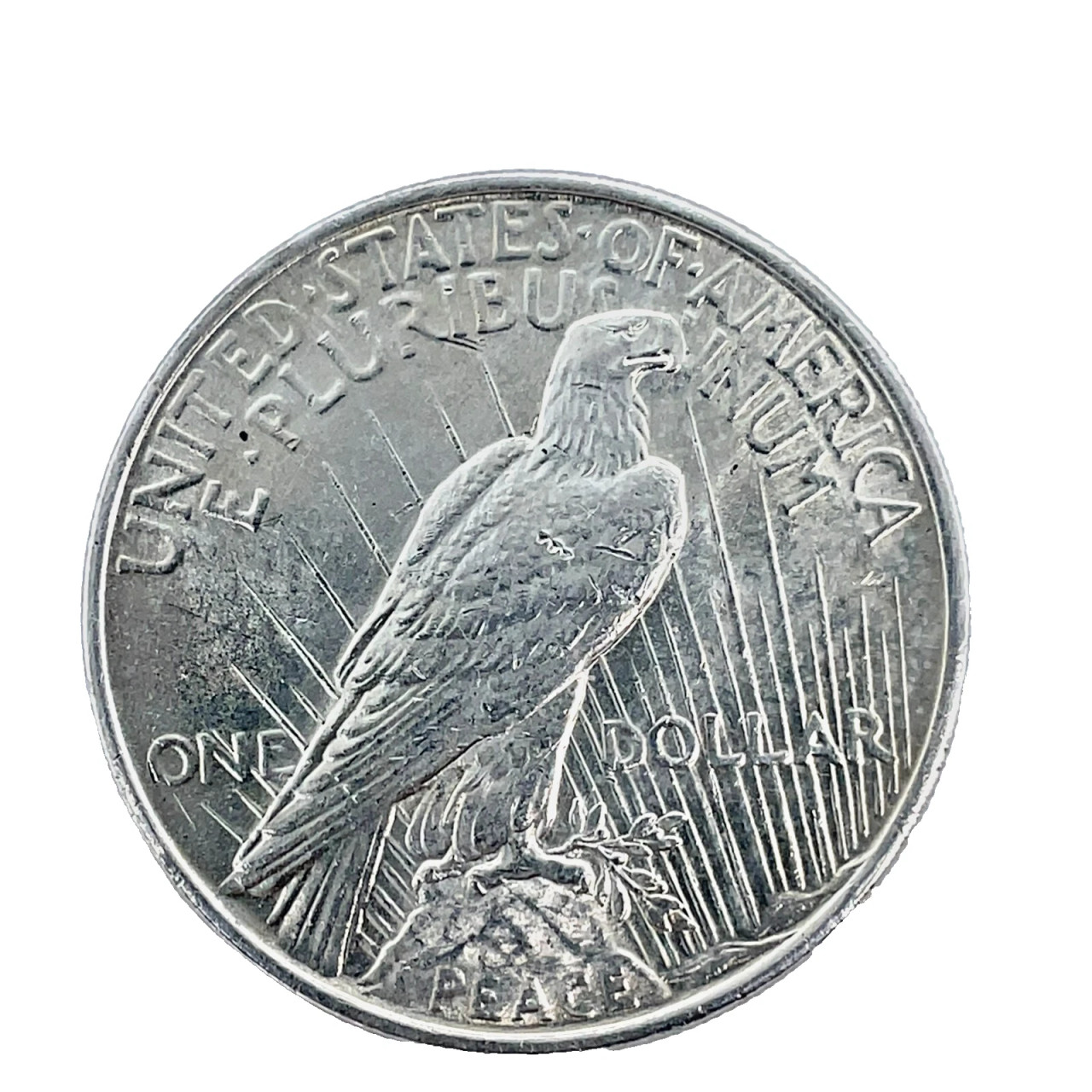
The obverse of the coin features a radiant, youthful Lady Liberty wearing a crown of light rays, her lips slightly parted as if in mid-breath. The reverse depicts a bald eagle perched majestically on a mountain crag, clutching an olive branch of peace, looking out toward a rising sun.
However, de Francisci's original reverse design included a controversial element: the eagle was clutching a broken sword alongside the olive branch. While the designer intended the broken sword to represent the disarmament and the end of conflict, the public and media reacted with immediate fury when the design was announced in December 1921. Newspapers argued that a broken sword symbolized defeat, surrender, and national weakness rather than peace.
Because the Mint was rushing to release the coin before the end of 1921, Chief Engraver George Morgan had to act fast. In a remarkable feat of hand-engraving, Morgan meticulously removed the broken sword from the hubs and dies before striking began, replacing it with an extension of the olive branch and adjusting the eagle's feathers so the change was virtually seamless.
Peace Dollar Mintage, Key Dates, and Rarity
For collectors looking to buy Peace silver dollars online, the value of any individual coin is heavily dictated by its mintage year, the mint where it was struck, and its surviving population in high grades.
Mintage Figures and Key Dates of the Peace Dollar
The U.S. Mint struck over 190 million Peace dollars during its original run. However, those numbers are highly concentrated in the early 1920s. By the late 1920s and mid-1930s, mintages plummeted. Here are the key dates every collector must watch out for:
- 1921 High Relief: The very first year of issue was struck in high relief, meaning the design elements stood out prominently from the coin's surface. Because this high relief caused immense stress on the coining presses and broke dies rapidly, the Mint only struck 1,006,473 pieces before flattening the design for 1922. Today, a 1921 High Relief is highly coveted, even in circulated grades.
- 1928 Philadelphia: This is the absolute king of regular-issue Peace dollars. With a microscopic mintage of only 360,649 coins, it is the scarcest date in the entire series. Even a heavily worn 1928-P can easily command $300 to $400, while uncirculated examples fetch thousands.
- 1934-S: While the 1934-S has a decent mintage of over one million coins, it is a legendary "condition rarity." Most were released directly into circulation, meaning uncirculated (MS65 or higher) examples are incredibly rare and highly valuable, often selling for tens of thousands of dollars at auction.
The Mysterious 1964-D Issue and Suspended Production
Production of the Peace dollar officially ended in 1935 as the Great Depression lingered and the demand for silver dollars dried up. However, the story took a bizarre turn nearly thirty years later.
In 1964, amid a coin shortage and pressure from Western silver-producing states, Congress authorized the production of 45 million new silver dollars. In May 1965, the Denver Mint struck 316,076 Peace dollars dated 1964. However, before they could be issued, public backlash over hoarding and coin speculation forced the government to abandon the plan.
Every single 1964-D Peace dollar was ordered to be melted down under tight security. While rumors persist that a few examples were pocketed by treasury employees or mint officials, none have ever been officially authenticated. The U.S. government maintains that any surviving 1964-D Peace dollar is stolen government property and illegal to own.
Modern Reissues and the 21st Century Revival
The legacy of the Peace dollar did not end in the 1930s (or the aborted 1964 run). In the 21st century, the U.S. Mint brought these beloved designs back to life for modern collectors.
The 2021 Centennial Release
To celebrate the 100th anniversary of the transition from the Morgan dollar to the Peace dollar, the U.S. Mint released a special centennial edition in 2021. Struck in 99.9% fine silver rather than the historical 90% alloy, these modern issues were produced using state-of-the-art digital technology to replicate de Francisci's original high-relief 1921 design.
The 2021 release was an instant sensation. Struck at the Philadelphia Mint with no mint mark, it had a strict mintage limit of just 200,000 pieces. It sold out within minutes of its release, instantly commanding high premiums on the secondary collector market.
Modern Proof and Uncirculated Issues (2023–2026)
Following the massive success of the centennial coins, the U.S. Mint established the modern Morgan and Peace dollar program as an annual offering. You can learn more about these beautiful modern collectibles directly from the U.S. Mint's official Morgan and Peace program page.
These modern issues include:
- 2023 Philadelphia Uncirculated: Struck with a mintage limit of 275,000, this issue sold out on its very first day of release.
- 2025 Reverse Proof Set: Struck at the San Francisco Mint, this highly sought-after set showcased a stunning dark, frosted background with mirror-like design details.
- 2026 releases: Struck to honor the United States' 250th semi-quincentennial anniversary, keeping the legacy alive for a new generation of numismatists.
Even our neighbors to the north have paid tribute to this iconic design; for instance, the Royal Canadian Mint's 2026 Peace Dollar fine silver coin highlights how the theme of peace continues to resonate across international borders.
Determining Peace Dollar Value and Collectibility
If you have a Peace dollar in your possession, or if you are looking to add one to your collection, its value is determined by a combination of its precious metal content and its numismatic (collector) appeal.
Factors Influencing Market Value and Grading
Like all vintage silver coins, the value of a Peace dollar rests on the Sheldon grading scale from 1 to 70.
- Melt Value (Bullion): At its core, an original Peace dollar contains 0.7734 troy ounces of pure silver. If silver spot prices rise, the baseline value of even the most worn-out, damaged coin rises with it.
- Circulated Grades (F12 to EF40): Coins that saw heavy use in daily commerce. They will show wear on Lady Liberty's hair and the eagle's feathers. Common dates in these grades typically trade for a modest premium above their silver melt value.
- Mint State (MS60 to MS65+): These are coins that never entered circulation and still retain their original mint luster. Because the Peace dollar was a soft silver coin struck with relatively low pressure, finding examples with clean cheekbones on Lady Liberty and sharp feathers on the eagle is incredibly difficult. A single grade jump from MS63 to MS65 can easily double or triple a coin's market price.
Comparing the Peace Dollar vs Morgan Dollar
When building a portfolio of classic American silver, many collectors find themselves choosing between the Morgan and the Peace designs. For a deep dive into the historical and collector differences between these two titans, check out our comprehensive guide on Peace Dollar Vs Morgan Dollar.
While both coins contain the exact same amount of silver, the Morgan dollar (minted 1878–1904) generally commands higher collector premiums due to its association with the Wild West and its longer minting history. However, because of this, the Peace dollar often represents a much better value for "junk silver" stackers who want to acquire historic U.S. coinage at a lower cost per ounce. If you are also interested in late-era Morgan dollars, studying the final years of the New Orleans Mint Morgan silver dollars can show how the series transitioned into the Peace era.
Frequently Asked Questions about the Peace Dollar
What is the rarest Peace dollar?
The rarest regular-issue coin in the series is the 1928 Philadelphia Peace dollar, which has a mintage of only 360,649. In terms of condition rarity, the 1934-S is exceptionally scarce and valuable in Mint State 65 or higher.
How much silver is in a Peace dollar?
Original Peace dollars (1921–1935) are composed of 90% silver and 10% copper. They contain exactly 0.7734 troy ounces (24.057 grams) of pure silver. Modern collector reissues (2021–present) are struck in 99.9% fine silver and contain 0.858 troy ounces of silver.
Are there any legal 1964-D Peace dollars in existence?
No. The Denver Mint struck 316,076 Peace dollars dated 1964 in mid-1965, but they were all ordered to be melted down before public release. The U.S. Treasury considers any surviving specimens to be illegal to own and subject to seizure.
Conclusion
Whether you are drawn to the Peace dollar for its stunning Art Deco design, its rich historical connection to the aftermath of World War I, or its high silver content, there is no denying that this coin is a cornerstone of American numismatics. From the scarce 1928 Philadelphia key date to the stunning modern proof reissues of the 21st century, this series offers something for every level of collector.
At Coins Online LLC (the team behind US State Quarters), we have been helping collectors locate authentic, high-quality U.S. coins since 1999. If you have any questions about grading, authentication, or finding the perfect coin to complete your set, visit our Contact Us page or explore our extensive inventory today. Happy collecting!
Recent Posts
-

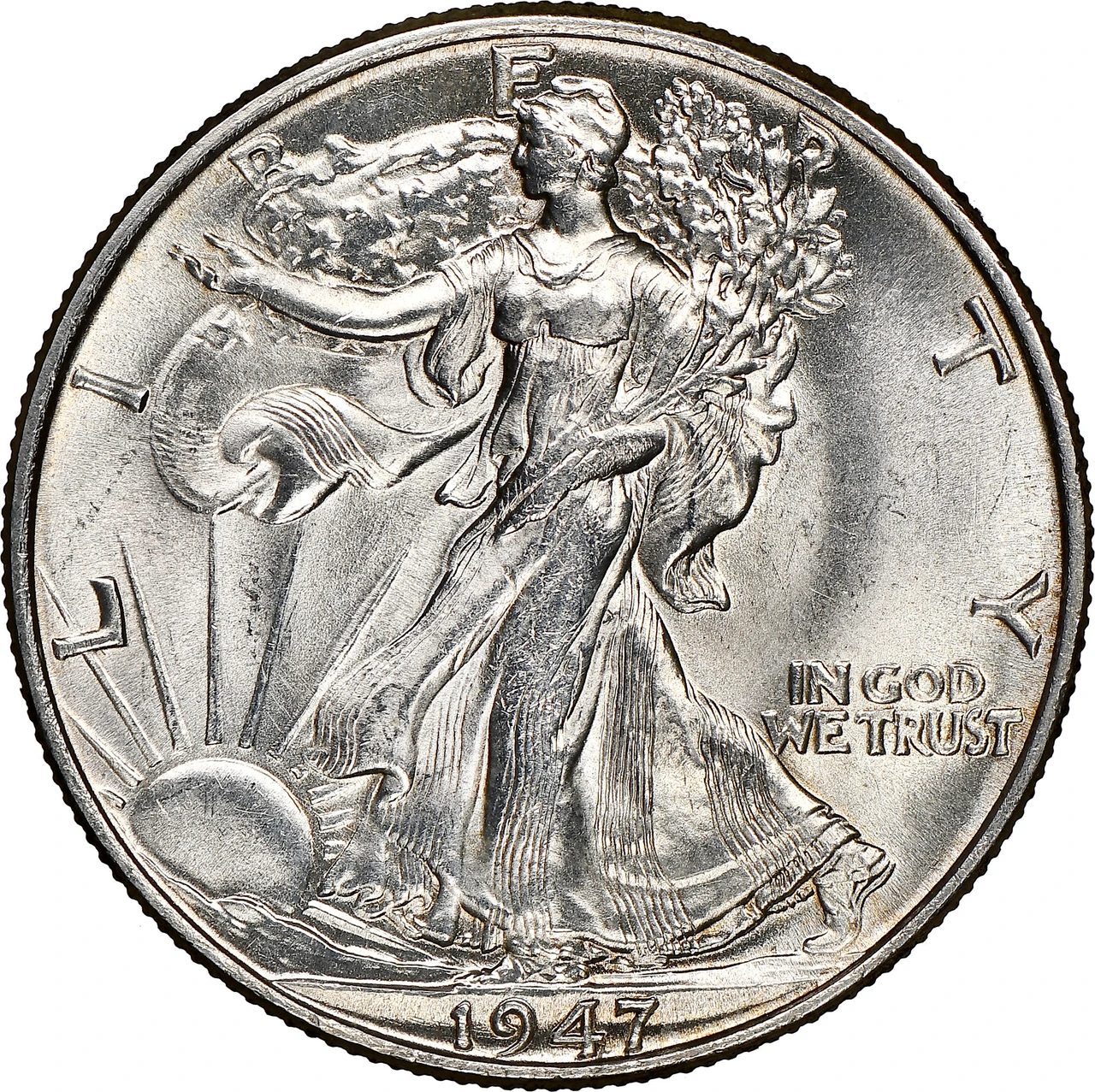
Walking Liberty Half Dollar Value Guide: Key Dates, the 1921 Problem, and What Yours Is Really Worth
Ask a room full of collectors to name the most beautiful U.S. coin and the Walking Liberty half doll
-
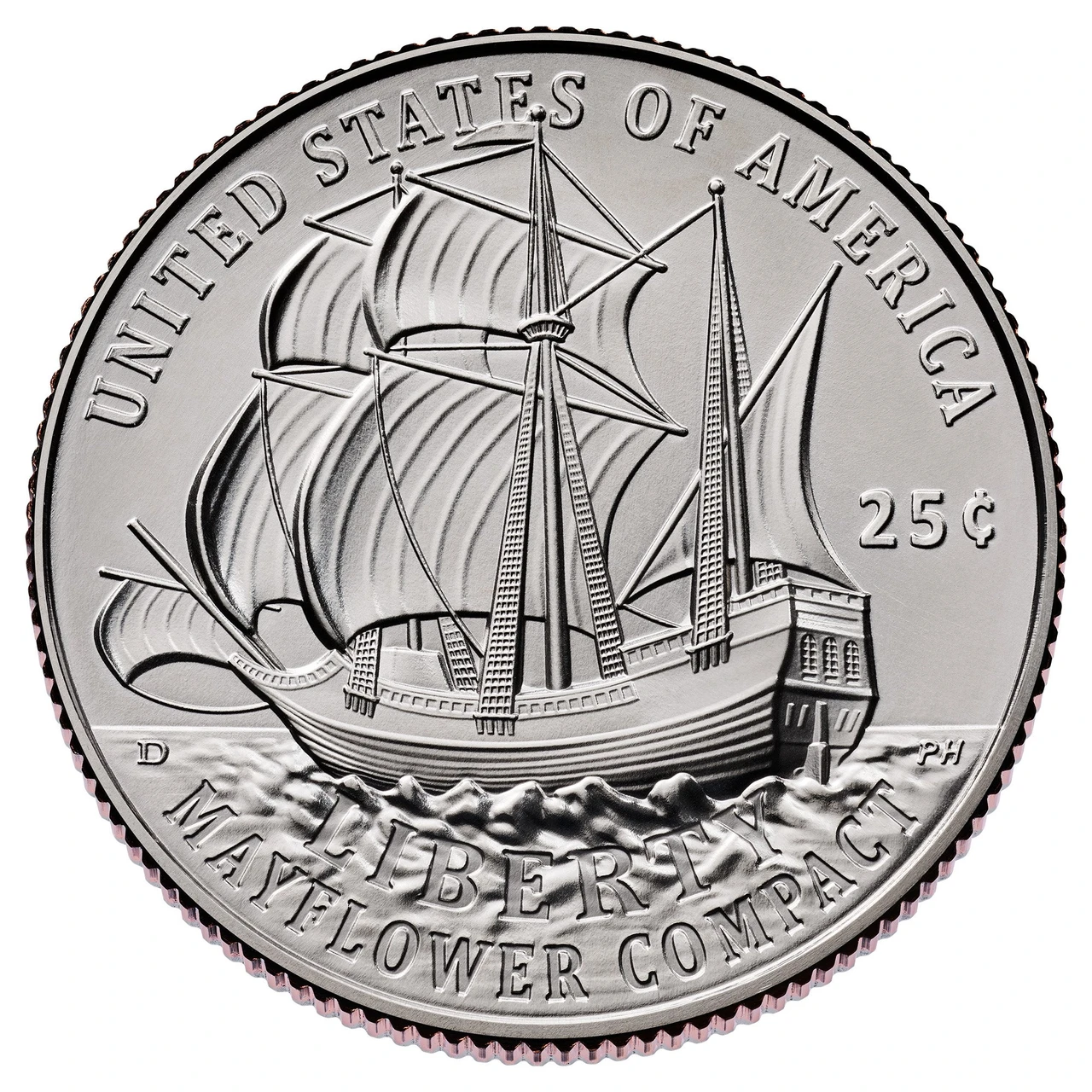
The 2026 Semiquincentennial Proof Set: What's in It, Why It Costs $107, and Whether to Buy One
On October 6 at noon Eastern, the U.S. Mint puts the 2026 Semiquincentennial Proof Set on sale at $1