Wheat Penny Wisdom: Everything You Need to Know Before You Buy
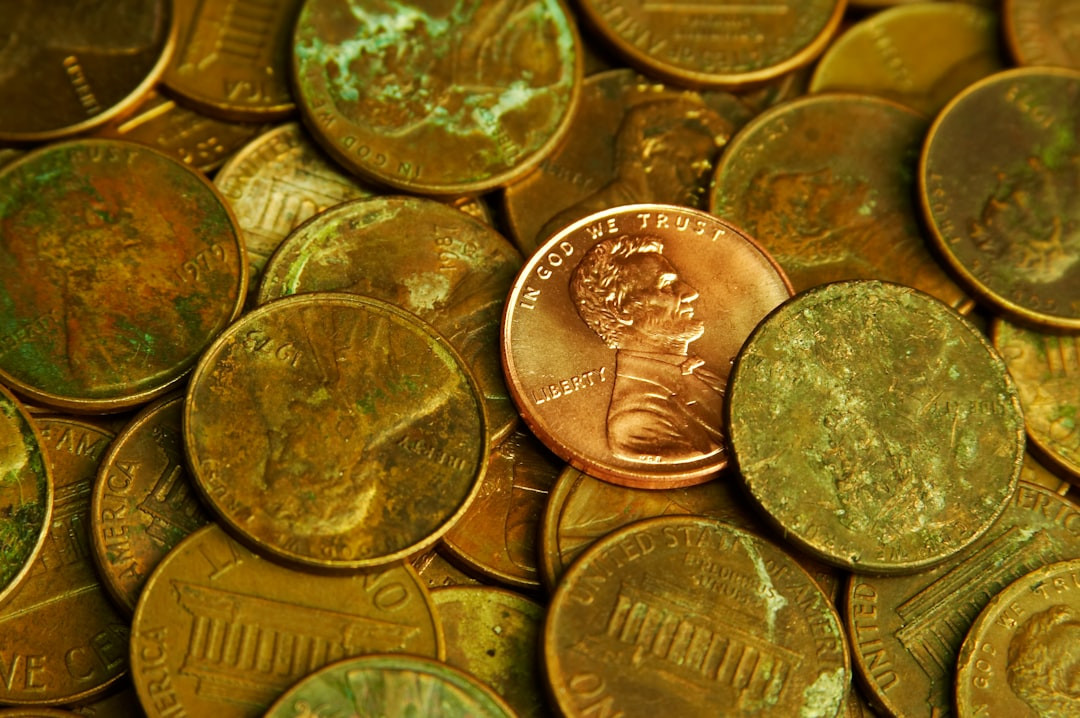
Why Buying Wheat Pennies Is One of the Smartest Moves a Coin Collector Can Make
If you want to buy wheat pennies, here is a quick guide to get you started:
Where to buy wheat pennies:
- Online coin dealers (individual coins, rolls, or bulk bags)
- Coin shows and local dealers
- Auction platforms with graded, certified coins
What to buy first:
- Mixed circulated rolls (50 coins) - low cost, great for sorting
- 1-pound bags (~148 coins) - fun intro to the hobby
- Individual key dates - higher cost, but historically significant
Price ranges to expect:
| Type | Typical Cost |
|---|---|
| Common circulated date | $0.10 - $1.00 per coin |
| Mixed roll (50 coins) | $5 - $25 |
| Key date (e.g., 1909-S VDB, Fine grade) | $1,000+ |
| Rare high-grade certified coin | $2,500 - $60,000+ |
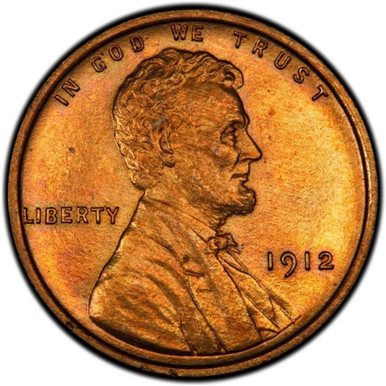
Few coins in American history have captured collectors' hearts the way the Lincoln Wheat Penny has. First issued in 1909 to mark the 100th anniversary of Abraham Lincoln's birth, it became the first regular-issue U.S. coin to feature a real person rather than an allegorical figure - and the public went wild for it. Banks reportedly had to post signs turning people away, so high was the demand on launch day.
The series ran from 1909 to 1958, spanning two World Wars, the Great Depression, and one of the most dramatic periods in U.S. history. Each coin tells part of that story - from the emergency steel cents of 1943 (made to save copper for the war effort) to the ultra-rare 1909-S VDB, with a mintage of just 484,000. That mix of history, affordability, and hidden treasure is exactly what keeps collectors coming back.
Whether you are filling a date album, hunting for key dates, or just starting out with a bulk bag, this guide covers everything you need to know before you spend a single cent. For a deeper dive into the series, visit our Wheat Penny guide or browse Wheat Back Pennies for sale directly. If you want background on the original design and release history, the Lincoln cent overview is also a useful reference.
What Are Lincoln Wheat Pennies and Why Do Collectors Love Them?
Lincoln Wheat Pennies, often called Wheat Cents or "Wheaties," were minted from 1909 through 1958. They show Abraham Lincoln on the front and two wheat ears on the reverse. The design was created by Victor D. Brenner, whose initials "VDB" became famous almost immediately.
Collectors love them for three simple reasons:
- They are historic
- Many dates are still affordable
- The series includes real rarities and dramatic errors
This is one of those coin series where a beginner can enjoy a 1940s coin for pocket-change money while advanced collectors chase five-figure key dates. That range is part of the fun.
The years, design, and mint marks every buyer should know
The Wheat reverse was used from 1909 to 1958, and in 1959 it was replaced by the Lincoln Memorial reverse. On Wheat Pennies, mint marks appear below the date on the obverse:
- No mint mark = Philadelphia
- D = Denver
- S = San Francisco
For 1909, some cents were struck with Brenner's initials at the bottom of the reverse between the wheat stalks. Public criticism led to their removal that same year. In 1918, the initials returned in a much smaller form on the obverse near Lincoln's shoulder.
If you are new to the series, our Wheat Penny guide is a helpful overview, and you can browse actual Wheat Back Pennies to compare dates and mint marks.
Why Wheat pennies remain affordable, historic, and fun to collect
Wheat Pennies are one of the easiest classic U.S. series to start. You can collect:
- One coin from each year
- A date-and-mint set
- A themed WWII set
- A varieties set
- A high-grade Red copper set if you enjoy pain, spreadsheets, and glory
Many collectors begin with albums because filling holes is oddly satisfying. Others buy bulk rolls or bags to sort for better dates, mint marks, or overlooked varieties. If that sounds like your style, a Wheat Penny Coin Book can help you organize the hunt.
How to Buy Wheat Pennies Without Overpaying
When people buy wheat pennies for the first time, the biggest mistake is paying key-date prices for common coins. The second biggest mistake is buying "treasure hunt" lots with unrealistic expectations.
A smart buying approach starts with matching the format to your goal.
| Format | Typical Cost | Best For | Risk Level |
|---|---|---|---|
| Individual common coins | Low | Filling album holes | Low |
| Rolls of 50 | Low to moderate | Beginners, sorting fun | Moderate |
| Bulk bags | Moderate | Large sorting projects | Moderate |
| Certified key dates | High | Serious collectors, authenticity | Lower |
If you want a straightforward place to start, browse our Wheat Back Pennies and decide whether you prefer single coins or lots.
Best ways to buy wheat pennies for beginners
For most beginners, we recommend starting with:
- Common circulated 1940s and 1950s coins
- Mixed rolls of 50 coins
- A 1-pound lot if you enjoy sorting
- A starter album or folder
Research on the market shows a full pound often contains about 148 coins. That makes bulk lots a fun and affordable way to learn dates, mint marks, and grading. Just keep expectations realistic: most bulk lots are heavy on 1940s and 1950s common dates.
If your budget is small, buying common circulated pieces first is often smarter than jumping straight into scarce dates.
Where to buy wheat pennies online and what to check first
If you buy online, look for these basics before checkout:
- Clear front and back photos
- Exact date and mint mark listed
- Grade or condition disclosed
- Return terms
- Authenticity information for expensive coins
- Reasonable shipping costs
At USSQ, we focus on competitive pricing, low shipping, and a 14-day return window, which matters when buying collector coins online. It also helps to compare a raw coin with certified examples before spending bigger money.
Our Wheat Back Pennies category and Wheat Penny guide are good starting points if you want both inventory and education in one place.
Key Dates, Valuable Varieties, and WWII-Era Coins to Watch
Not all Wheat Pennies are equal. Some are common. Some are scarce. A few are famous enough to make collectors sit up straighter.
The key names most buyers should know are:
- 1909-S VDB
- 1914-D
- 1922 No D
- 1931-S
- 1955 Doubled Die Obverse
- 1943 copper cent
- 1944 steel cent
You can often find many of these dates and varieties in our Wheat Back Pennies inventory.
The most valuable Wheat pennies and why they cost more
Value usually comes from one or more of these factors:
- Low mintage
- Strong collector demand
- High-grade rarity
- Popularity of the date or variety
- Original color for copper coins
The 1909-S VDB is the classic example. Its mintage was just 484,000, making it the best-known key date in the series. In 2026, this coin remains one of the first major targets for advanced Lincoln cent collectors.
Color also matters on uncirculated copper:
- RD = Red
- RB = Red-Brown
- BN = Brown
A coin with original red color can sell for much more than the same date in brown. For more detail on value trends, see our Lincoln Wheat Penny Values.
1909 VDB, 1955 doubled die, and other famous varieties
The 1909 VDB from Philadelphia is not rare like the 1909-S VDB, but it is popular because it is a first-year issue with the original reverse initials. It is often one of the first "special" coins new collectors buy.
The 1955 Doubled Die Obverse is famous because the doubling is visible without a microscope on many examples, especially on:
- LIBERTY
- IN GOD WE TRUST
- The date
The 1922 No D is another major variety. Since Denver was the only mint striking Lincoln cents that year, a missing D mint mark is a big deal. But this is also a heavily altered coin, so authentication matters.
If varieties interest you, our guide to the Doubled Die Wheat Penny is worth a look.
WWII steel cents, 1943 copper errors, and 1944 transitional pieces
In 1943, the Mint switched from the usual bronze alloy to zinc-coated steel to conserve copper for World War II. These steel cents look silver-gray and are magnetic. That one-year composition change makes them one of the most recognizable U.S. coins ever made.
Key wartime pieces include:
- 1943 steel cents from Philadelphia, Denver, and San Francisco
- Rare 1943 copper cents struck on leftover bronze planchets
- Rare 1944 steel cents struck after the Mint returned to copper-based alloy
Some research sources note 1943 copper examples can bring $10,000 or far more depending on authenticity and condition. That said, fake 1943 copper cents are everywhere, usually altered from steel cents or made as replicas.
For more on wartime issues, visit our 1944 Wheat Penny Value page.
How to Identify Genuine Wheat Pennies and Understand Grades
Authentication matters most on key dates, varieties, and wartime transition pieces. Common-date Wheat Pennies are usually not counterfeited heavily, but better dates definitely are. For a complete overview of the series, visit our Wheat Penny guide.
How to spot the mint mark, date, and signs of tampering
Start with the date and mint mark under the date. That is where many altered coins show trouble.
Watch for:
- Added S or D mint marks
- Tool marks around the mint mark area
- Altered dates
- Unnatural surfaces from casting
- Wrong weight
- Magnet behavior that does not fit the coin
Quick checks:
- A normal 1943 steel cent is magnetic
- A normal bronze Wheat cent is not
- Genuine Philadelphia coins usually have no mint mark
- Key dates should be weighed and inspected closely if raw
For expensive coins, we strongly prefer certified examples from major grading services such as PCGS or NGC.
A simple guide to Wheat penny grades from Good to BU
Here is the beginner version of grading:
- Good (G): Heavy wear, major design visible
- Fine (F): More detail, wheat lines partly visible
- Very Fine (VF): Moderate wear, stronger portrait details
- Extremely Fine (XF): Light wear on high points
- About Uncirculated (AU): Trace wear, much luster remains
- Brilliant Uncirculated (BU): No wear from circulation
On Lincoln cents, check wear on:
- Lincoln's cheek
- Jawline
- Coat
- Hair above the ear
- Wheat lines on the reverse
Copper color matters too. Red coins bring the strongest premiums, Red-Brown sits in the middle, and Brown is the most common for older pieces.
Red flags buyers should avoid before making a purchase
Before you buy, watch for these warning signs:
- Cleaned coins with unnatural brightness
- Recolored steel cents
- Corrosion or rust
- PVC residue from bad holders
- "Too cheap to be real" key dates
- Vague "unsearched" claims
- Blurry or overedited photos
- Holders that imitate real grading slabs
Cleaning is especially harmful. A cleaned Wheat Penny may look shiny, but collectors usually value originality over fake sparkle every time.
Wheat Penny Price Ranges in 2026: What You Can Expect to Pay
In 2026, the Wheat Penny market still covers a huge spread. Some coins cost less than a cup of coffee. Others cost more than a decent used car.
What common-date Wheat pennies usually cost
For common circulated dates, typical prices are often:
- 1940s and 1950s circulated: about $0.10 to $1.00 each
- Common-date individual listings: often a few dollars retail depending on grade
- Mixed rolls of 50: about $5 to $25
- Bulk 1-pound lots: often around the low-to-mid $20s and up depending on mix and marketing
- Larger bags: lower per-coin cost, but usually more common dates
The lower the price per coin, the more likely you are buying a mostly common mix. That is not bad - it just means you are paying for quantity, not rarity.
You can compare current options in our Wheat Back Pennies section.
What rare and high-grade Wheat pennies can cost
Once you move into scarce dates and certified grades, prices rise fast:
- 1909-S VDB in Fine: often $1,000+
- 1931-S in lower circulated grades: usually much lower than the 1909-S VDB, but still a clear premium over common dates
- 1914-D: expensive in all problem-free grades
- 1955 Doubled Die: major premium even in circulated condition
- Gem Red certified coins: often strong premiums because original color is hard to preserve
Research also shows the broader market has many Wheat Penny listings under $25, but a smaller group priced over $2,500, which reflects how condition and rarity drive the top end.
If you are weighing a bigger purchase, review our Lincoln Wheat Penny Values page before you commit.
Smart Storage, Preservation, and First Steps for New Collectors
Buying the coin is only half the story. Keeping it nice is the other half.
How beginners should start collecting Wheat pennies
A simple beginner plan looks like this:
- Start with a date set or 1940s-1950s group
- Use an album or folder
- Add better dates one at a time
- Learn grading before buying key dates
- Upgrade later instead of overspending early
Many collectors start with a Wheat Penny Coin Book and fill the easy holes first. Then they work toward scarcer mint marks. If you want to jump straight into shopping, our Wheat Back Pennies category is built for that step.
How to store Wheat pennies so they keep their value
Best practices are simple:
- Do not clean them
- Hold coins by the edges
- Use archival 2x2 holders, Mylar flips, or albums
- Keep steel cents especially dry
- Store in a cool, low-humidity place
- Label everything by date, mint mark, and grade
- Separate problem coins from better coins
Steel cents need extra care because they can rust if their coating is damaged. Copper coins dislike fingerprints and moisture. In short, your Wheat Pennies want a dry home and fewer human hugs.
Frequently Asked Questions About Buying Wheat Pennies
Are unsearched Wheat penny rolls worth buying?
They can be worth buying for fun, education, and bulk collecting. They are usually not the best path if your only goal is profit. Most "unsearched" lots are dominated by common dates, even when the description makes it sound like every roll may contain buried treasure from Mount Lincoln.
Buy them for entertainment and album-building, not guaranteed jackpots.
Which Wheat pennies should I buy first on a small budget?
Start with circulated common dates from the 1940s and 1950s. Add affordable mint-mark coins when possible. This gives you real history, plenty of variety, and a low-cost way to learn the series. For more background on the series, see our Wheat Penny guide.
Our Wheat Back Pennies page is a practical place to begin if you want budget-friendly options.
How can I tell if a 1943 penny is steel or a rare copper error?
Use these first checks:
- Magnet test: steel cents stick, copper ones do not
- Color: steel is silver-gray, copper is brown or reddish
- Weight: bronze cents weigh more than steel cents
- Authentication: any suspected 1943 copper should be professionally authenticated
Also be careful. Many fake "1943 copper" cents are altered dates or plated pieces. For related wartime info, read our 1944 Wheat Penny Value guide.
Conclusion
If you want to buy wheat pennies with confidence, keep the process simple:
- Learn the 1909 to 1958 date range
- Know the mint marks: no mark, D, and S
- Start with common circulated coins if you are new
- Treat key dates and varieties with extra caution
- Understand grading before paying premium prices
- Store your coins properly and never clean them
Wheat Pennies are popular because they combine history, affordability, and the occasional heart-racing surprise. Whether you are sorting a mixed roll, building a full album, or hunting for a 1909-S VDB, the series gives collectors a lot to enjoy at every budget level.
If you want to keep learning, visit our Wheat Penny guide, explore the Wheat Back Pennies collection, or browse more coin resources on US State Quarters. If you have questions before buying, you can also reach us through our contact page.
Recent Posts
-

Mercury Dime Value Guide: Key Dates, Full Bands, and Why Weinman's Design Is Back in 2026
The U.S. Mint just put Adolph Weinman's Winged Liberty back on a coin. The 2026-W Palladium Eagle, r
-
The 2026 Trump Dollar Sold Out in Hours: What Happened and What It Means for Value
It took one business day. The United States Mint opened sales on the 1776–2026 President Donald J. T