Wheat Penny Reference Books: Don't Get Cent to the Wrong Page
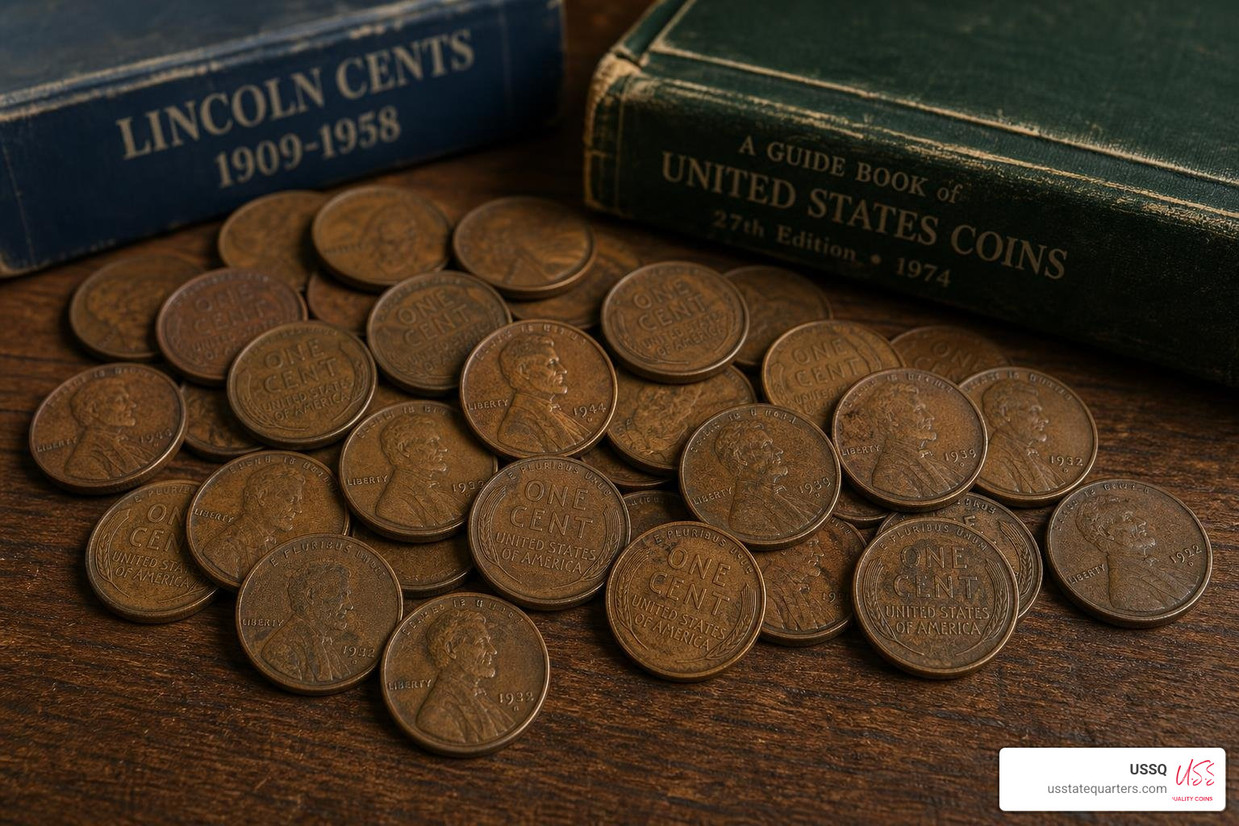
Why the Right Wheat Penny Reference Books Can Make or Break Your Collection
The best wheat penny reference books available right now include:
- A Guide Book of Lincoln Cents, 5th Edition (Q. David Bowers) — best overall specialized reference
- The 2026 Red Book: A Guide Book of United States Coins, 79th Edition — best all-around U.S. coin price guide
- The Authoritative Reference on Lincoln Cents, 2nd Edition (Wexler & Flynn) — best for error and variety collectors
- The Lincoln Penny Collecting Bible — best for beginners
- Whitman Lincoln Cent Coin Album — best physical collecting companion
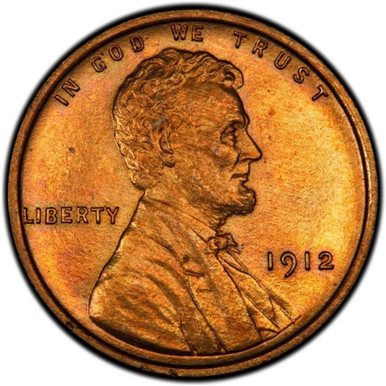
Lincoln Wheat Pennies — minted from 1909 to 1958 — are America's most collected coin series. With hundreds of date and mint mark combinations, key rarities like the 1909-S VDB, and error coins that can be worth thousands of dollars, knowing what you're looking at matters enormously.
The wrong reference book — or no book at all — can mean the difference between spotting a $1,500 coin and spending 50 cents on it.
When wheat pennies first released in 1909, the public lined up for hours to get them. Today, collectors are still just as eager — but now the hunt happens in coin shops, estate sales, and online marketplaces where knowledge is your biggest advantage.
We are The USSQ Numismatics Team, experienced numismatists at US State Quarters (Coins Online LLC) who have been serving collectors since 1999. Our team ships over 80,000 authentic U.S. Mint coins each year to collectors around the world, and we rely on many of the wheat penny reference books covered in this guide every day to help collectors buy with confidence. Let's walk through the best options available in June 2026.
The Essential Role of Wheat Penny Reference Books in Numismatics
Coin collecting is often called the "King of Hobbies," but without a proper guide, it can quickly become a exercise in confusion. When you dive into the wheat penny, you are dealing with a coin series that spans nearly 50 years of American history. From the copper shortages of World War II to the minor hub changes of the 1920s, these tiny copper discs hold a massive amount of historical and numismatic data.
This is where specialized numismatic literature becomes indispensable. A reliable reference book does far more than list current prices. It teaches you how to evaluate a coin using the standardized Sheldon Scale (a 1-to-70 grading spectrum). It explains how to spot the difference between a naturally worn coin and one that has been altered or cleaned. Most importantly, it provides accurate mintage figures and explains how to determine lincoln wheat penny values based on real-world auction data and scarcity.
As we move through June 2026, the market for vintage U.S. coins remains incredibly dynamic. With more collectors entering the hobby, having updated, verified information at your fingertips prevents you from overpaying for common dates or, conversely, letting a rare variety slip through your fingers. Proper coin preservation, historical context, and technical specifications are the pillars of a successful collection, and they are all unlocked through the right reference books.
Top-Rated Reference Books for Lincoln Cent Collectors
When looking to expand your library, you will find that coin books generally fall into two categories: specialized guides focusing exclusively on one series, and general catalogs covering all United States coinage. Here are the top-rated reference books that every serious wheat penny collector should consider.
A Guide Book of Lincoln Cents: The Definitive Wheat Penny Reference Books Choice
If you only buy one specialized book for your collection, make it A Guide Book of Lincoln Cents, 5th Edition by Q. David Bowers. Often referred to by collectors as the "Lincoln Cent Bible," this volume is part of the famous Bowers Series published by Whitman.
Bowers, widely regarded as the "Dean of American Numismatics," covers the entire history of the Lincoln cent from its inception in 1909 all the way through modern issues. This includes comprehensive coverage of the design changes, alloy adjustments, and minting innovations that shaped the series.
The 5th edition is particularly valuable because it includes updated valuation data, detailed grading guidelines for both circulation and Proof strikes, and coverage of modern developments like the 2025 Omega cents and various bicentennial proposals. For those who enjoy broader numismatic history, it serves as an excellent companion to other foundational works like the Whitman Encyclopedia of Colonial and Early American Coins, 2nd Edition .
If you want to understand the "why" behind every design choice and alloy change, this wheat penny coin book is your ultimate resource.
The Red Book: How General Guides Compare to Specialized Wheat Penny Reference Books
For generations of collectors, the ultimate authority on U.S. coins has been "The Red Book"—officially titled A Guide Book of United States Coins. Now in its completely redesigned 79th Edition (2026 Red Book), this annual guide has sold over 25 million copies since its debut in 1946.
The 2026 Red Book contains:
- Over 32,500 updated prices and auction records.
- More than 12,000 individual listings spanning all U.S. coin types.
- High-resolution, full-color photography.
- Useful essays on grading, counterfeit detection, and investing.
While the Red Book is an essential annual purchase for any collector, how does it compare to a specialized wheat penny book? The Red Book is a generalist guide. It will give you the mintage figures and retail prices for every standard wheat penny year and mint mark, but it won't go into deep detail regarding minor die varieties, hub changes, or advanced error identification.
It is, however, excellent for putting your wheat pennies into historical perspective alongside other denominations, and it is the perfect tool for tracking how wheat pennies transition into modern Lincoln memorials, as detailed in our penny values chart 1959 to 2011.
The Authoritative Reference on Lincoln Cents
For the collector who has graduated past basic dates and mint marks and wants to hunt for valuable varieties, The Authoritative Reference on Lincoln Cents (2nd Edition) by John Wexler and Kevin Flynn is the gold standard.
This 446-page masterpiece focuses heavily on the technical aspects of the Lincoln cent series. It is the premier guide for identifying:
- Doubled Dies: Detailed diagnostic photos of famous errors like the 1955 and 1972 doubled dies.
- Repunched Mint Marks (RPMs): Clear guides on how to spot mint marks that were hand-punched into the working dies multiple times.
- Over Mint Marks (OMMs): Identifying rare instances where one mint mark was punched over another.
- Specific Date Analysis: Deep dives into the technical specifications of key dates, helping you determine a coin's true scarcity, such as evaluating a 1944 wheat penny value based on specific die states.
If you enjoy looking at your coins under a 10x loupe or a digital microscope, Wexler and Flynn's guide is an absolute must-have.
Folders, Albums, and Checklists vs. Comprehensive Books
As you build your collection, you will need physical tools to organize and display your coins. Many collectors wonder whether they should invest in high-end reference books or simply buy a coin folder or album. The truth is, these tools serve entirely different purposes, and the most successful collectors use them in tandem.
Folders vs. Albums vs. Reference Books
- Coin Folders: These are inexpensive, cardboard folders (such as the popular H.E. Harris or Whitman folders) that open up to reveal slots for each date and mint mark. They are excellent for beginners because they provide a visual goal. However, they only show one side of the coin, offer minimal environmental protection, and contain very little educational information.
- Coin Albums: Albums (like the classic Whitman or Dansco albums) are a step up. They feature plastic slides that allow you to view both the obverse and reverse of the coin. They offer much better protection against dust and moisture and are ideal for long-term storage of mid-to-high-grade collections.
- Reference Books: Books do not hold your coins; they hold the knowledge required to collect them safely. A book teaches you how to grade, how to spot counterfeits, and how to value your coins.
To help you decide which tools are right for your current collecting level, here is a direct comparison:
| Product Type | Ideal User | Pros | Cons | Popular Examples & Ratings |
|---|---|---|---|---|
| Collector's Folder | Beginners / Kids | Very inexpensive, clear visual goals, highly engaging | Only shows one side of coin, no archival protection | Lincoln Cents 1909-1958 Folder (6,904 reviews, 4.7/5 stars) |
| Coin Album | Intermediate / Advanced | Displays both sides of coin, durable, archival-safe | More expensive, bulky | Whitman US Lincoln Cent Album 1909-1995 (227 reviews, 4.8/5 stars) |
| Reference Book | All Collectors | Exhaustive historical data, grading guides, error identification | Does not physically store or display coins | A Guide Book of Lincoln Cents (MSRP $29.95) |
For many, starting with a simple folder like the Lincoln Cents Folder #1, 1909-1940 (2,624 customer reviews with a 4.8 out of 5 star rating) is the perfect gateway. As your collection grows, you can graduate to a professional album and pair it with printable checklists to track your progress on the go. You can find a wide variety of these supplies by browsing online book retailers or checking our selection of coin folders and albums to organize your wheat pennies.
Identifying Rare Varieties and Errors Using Numismatic Literature
One of the most exciting aspects of collecting wheat pennies is the "treasure hunt" factor. Because billions of these coins were minted, millions are still sitting in old jars, coffee cans, and estate collections. Some of these common-looking pennies are actually highly valuable error coins or rare varieties.
Without reference books, however, these treasures remain completely invisible. Here are three classic examples of how numismatic literature helps you identify high-value specimens:
- The 1909-S VDB: This is the undisputed king of the regular-issue Lincoln cent series. Designed by Victor David Brenner, the first batch of 1909 pennies featured his initials "V.D.B." prominently on the bottom reverse. Following a public outcry, the initials were quickly removed, leaving the San Francisco Mint with a tiny mintage of just 484,000 coins. Reference books teach you how to verify the exact placement of the mint mark and the initials to ensure you aren't looking at a clever counterfeit.
- The 1943 Copper Cent: Due to the wartime copper shortage, the U.S. Mint produced steel cents in 1943. However, a tiny handful of copper planchets left over from 1942 accidentally found their way into the coining presses. These genuine 1943 copper pennies are legendary rarities worth six figures. Reference books will teach you the first rule of authentication: a real 1943 copper cent will not stick to a magnet, whereas copper-plated steel counterfeits will.
- The 1955 Doubled Die Obverse: This is perhaps the most famous error coin in American history. A service alignment error caused the obverse design to be struck twice, resulting in a dramatic, highly visible doubling of the date and lettering.
To truly understand how these varieties fit into the broader landscape of coin history, advanced collectors often consult classic literature such as PENNY WHIMSY - NBSwiki , which details the early history of large cents, or study auction catalogs of legendary sales like the Louisiana Lagniappe Collection of Proof 'Wheat cents' - Coin World . For day-to-day pricing on these rare varieties, we recommend checking the PCGS Price Guide and checking our guide on the wheat penny condition census.
Frequently Asked Questions About Lincoln Cent Guides
What is the difference between beginner and advanced wheat penny books?
Beginner books, such as the Coin Collecting Bible (261 reviews, 4.2 rating) or The Lincoln Penny Collecting Bible (90 reviews, 4.6 rating), focus on the basics: how to handle coins, how to start a collection, basic storage, and general values. Advanced books, like Wexler's Authoritative Reference, skip the basics and dive straight into microscopic die diagnostics, hub variations, and historical minting errors.
How do I use a reference book to grade my wheat pennies?
Most reference books include detailed line drawings or high-resolution photos showing the wear patterns for each grade on the Sheldon Scale (from About Good-3 to Perfect Uncirculated-70). To grade your coin, compare the amount of detail remaining on Lincoln's cheek, jaw, and the wheat stalks on the reverse to the reference photos in your book. For high-value coins, we always recommend professional grading by third-party services like PCGS or NGC.
What other resources complement printed coin books?
While printed books are excellent for historical context and grading, they can't update their prices in real-time. To complement your library, use online price charts, digital checklists, and trusted commercial sites where you can safely buy wheat pennies that have been pre-screened for authenticity.
Conclusion
Building a collection of Lincoln Wheat Pennies is one of the most rewarding journeys in all of coin collecting. Whether you are searching through pocket change, inheriting a family collection, or purchasing key dates to complete a high-end set, having the right wheat penny reference books is the single best investment you can make.
At USSQ (Coins Online LLC), we have been helping collectors build their dream collections since 1999. From our home base in New Orleans, Louisiana, we provide competitive prices, low shipping, and a worry-free 14-day return policy on over 5,000 products. If you are ready to take your collection to the next level, explore our extensive inventory of authenticated Wheat Back Pennies and supplies today. Happy hunting!
The USSQ Numismatics Team
See our Indian Head pennies for current prices.
Recent Posts
-

Walking Liberty Half Dollar Value Guide: Key Dates, the 1921 Problem, and What Yours Is Really Worth
Ask a room full of collectors to name the most beautiful U.S. coin and the Walking Liberty half doll
-
The 2026 Semiquincentennial Proof Set: What's in It, Why It Costs $107, and Whether to Buy One
On October 6 at noon Eastern, the U.S. Mint puts the 2026 Semiquincentennial Proof Set on sale at $1